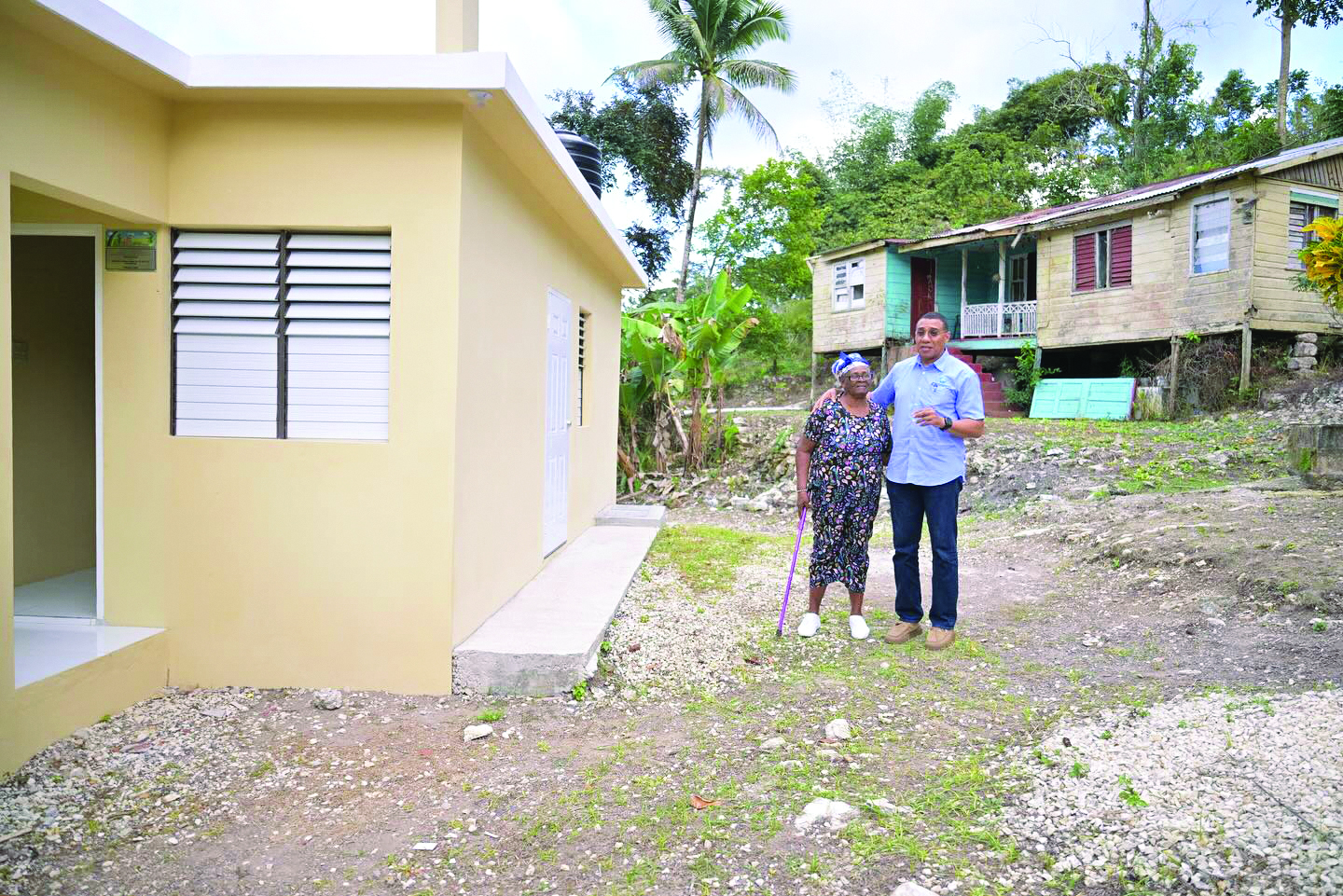
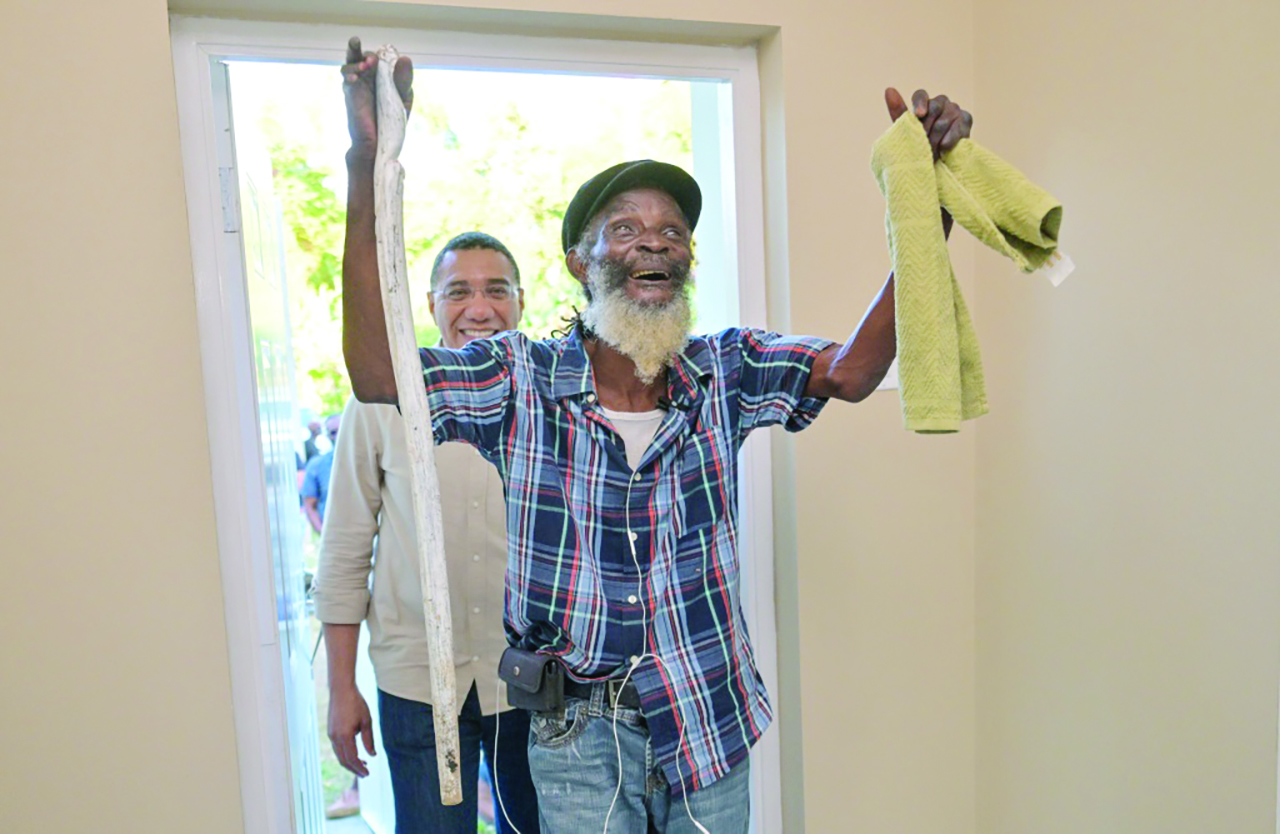
As the country continues to recover from the impact of Category Five Hurricane Melissa, the Government is driving a comprehensive strategy that prioritises rebuilding homes, restoring basic services, revitalising livelihoods, and accelerating the nation’s journey toward a stronger, more resilient future.


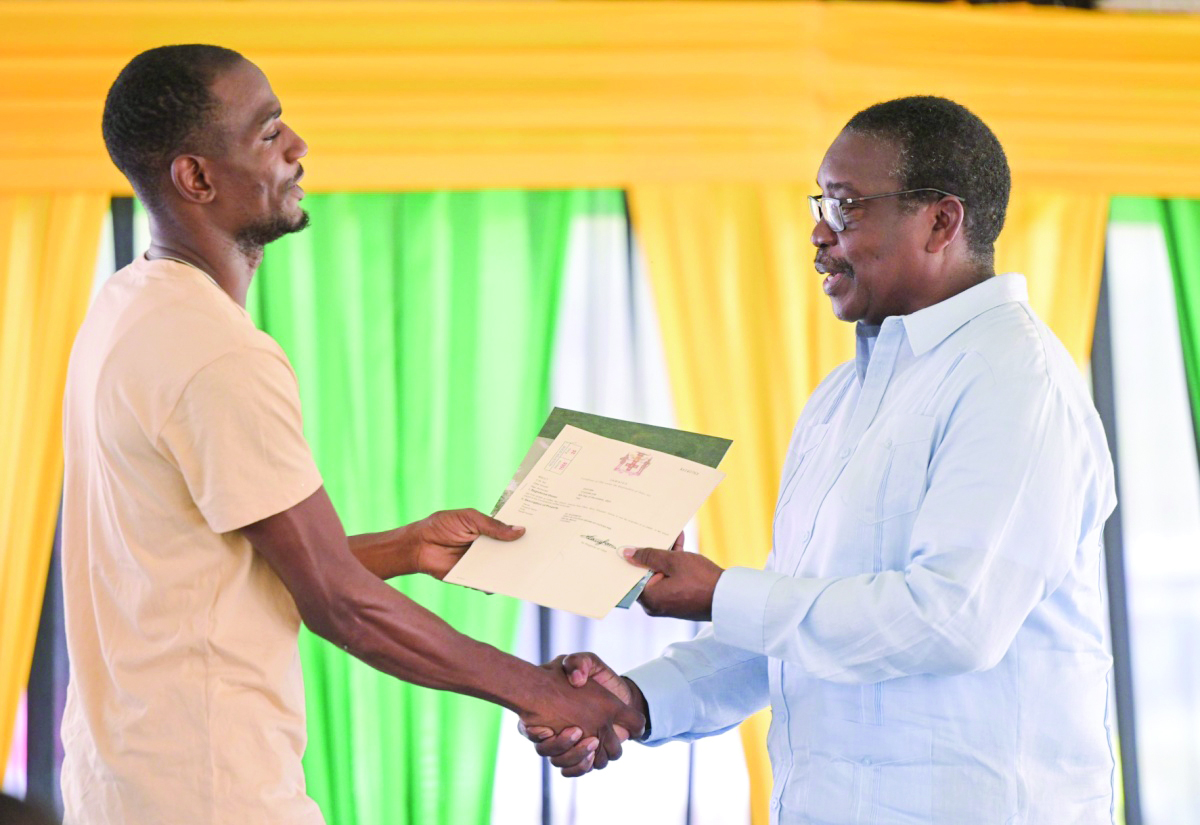
Policies were steadfastly implemented to expand access to homeownership and ensure affordability for all Jamaicans.
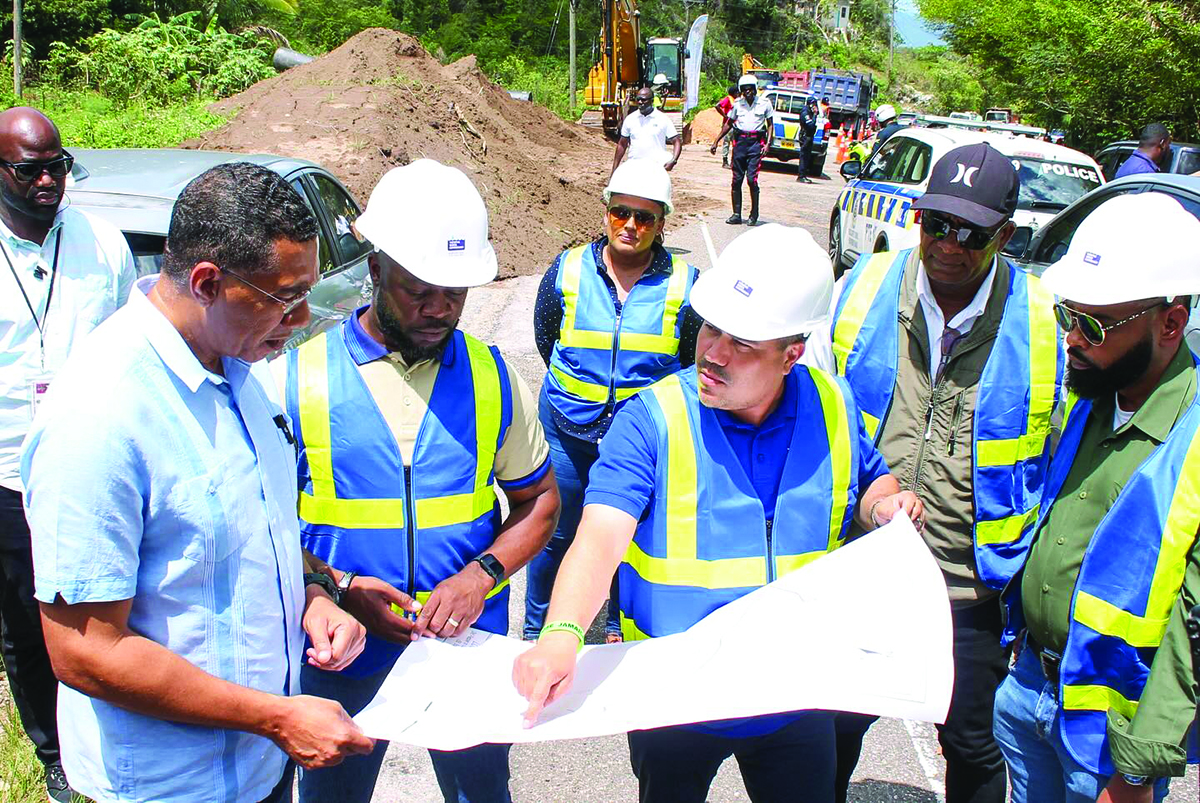
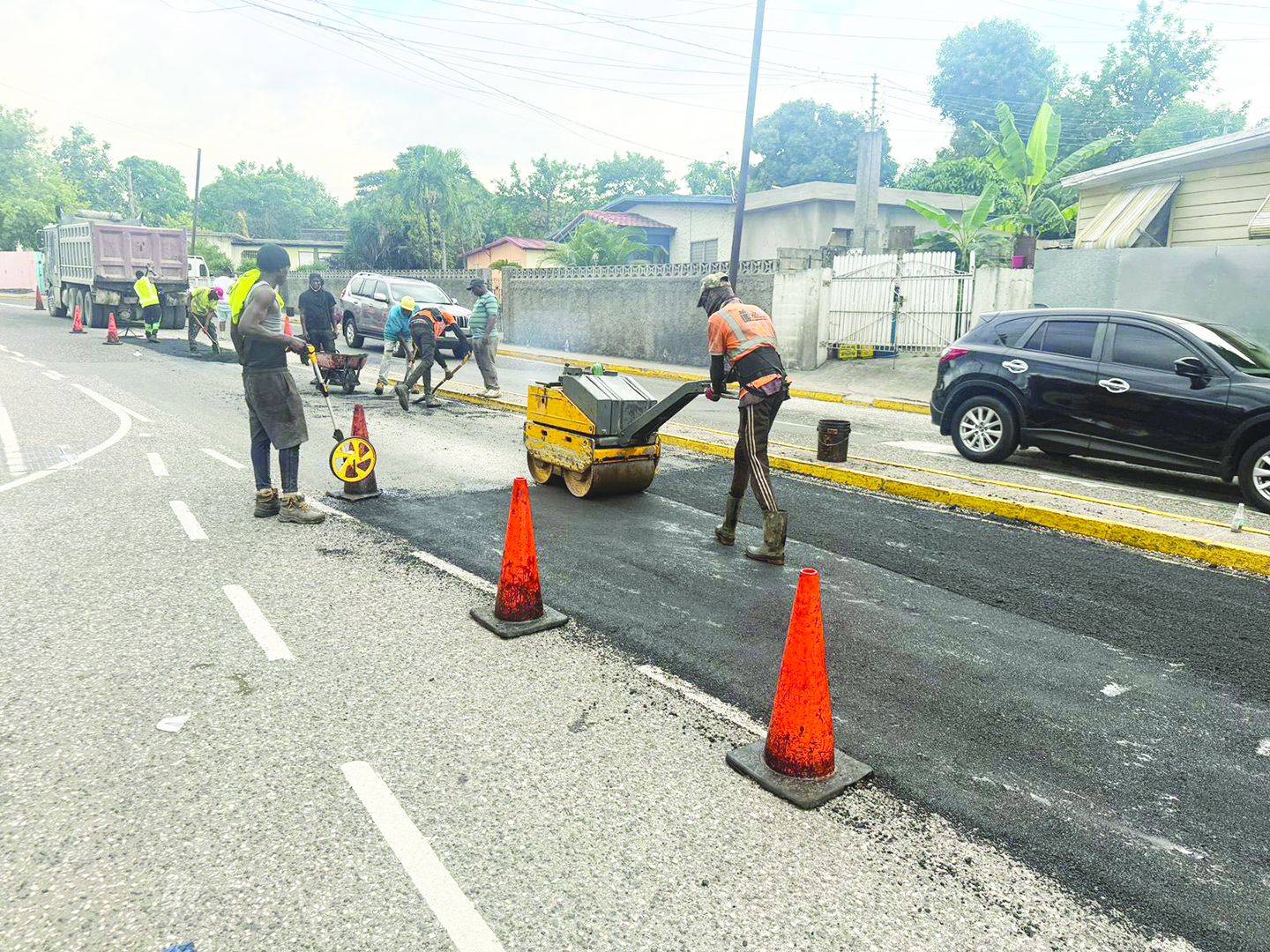
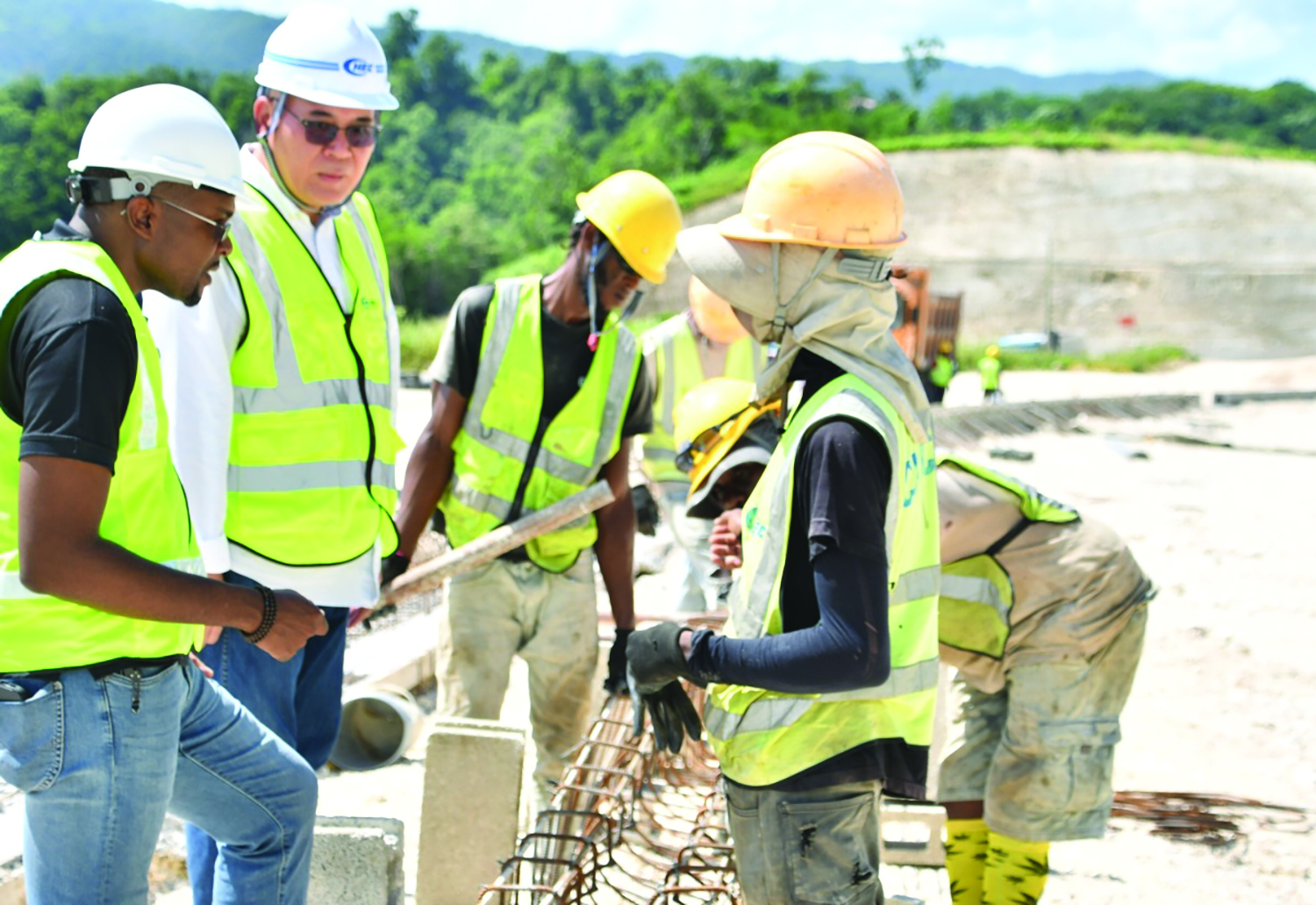
The Government carried out extensive work on the island’s road network and addressed longstanding issues with bridges and other infrastructure.
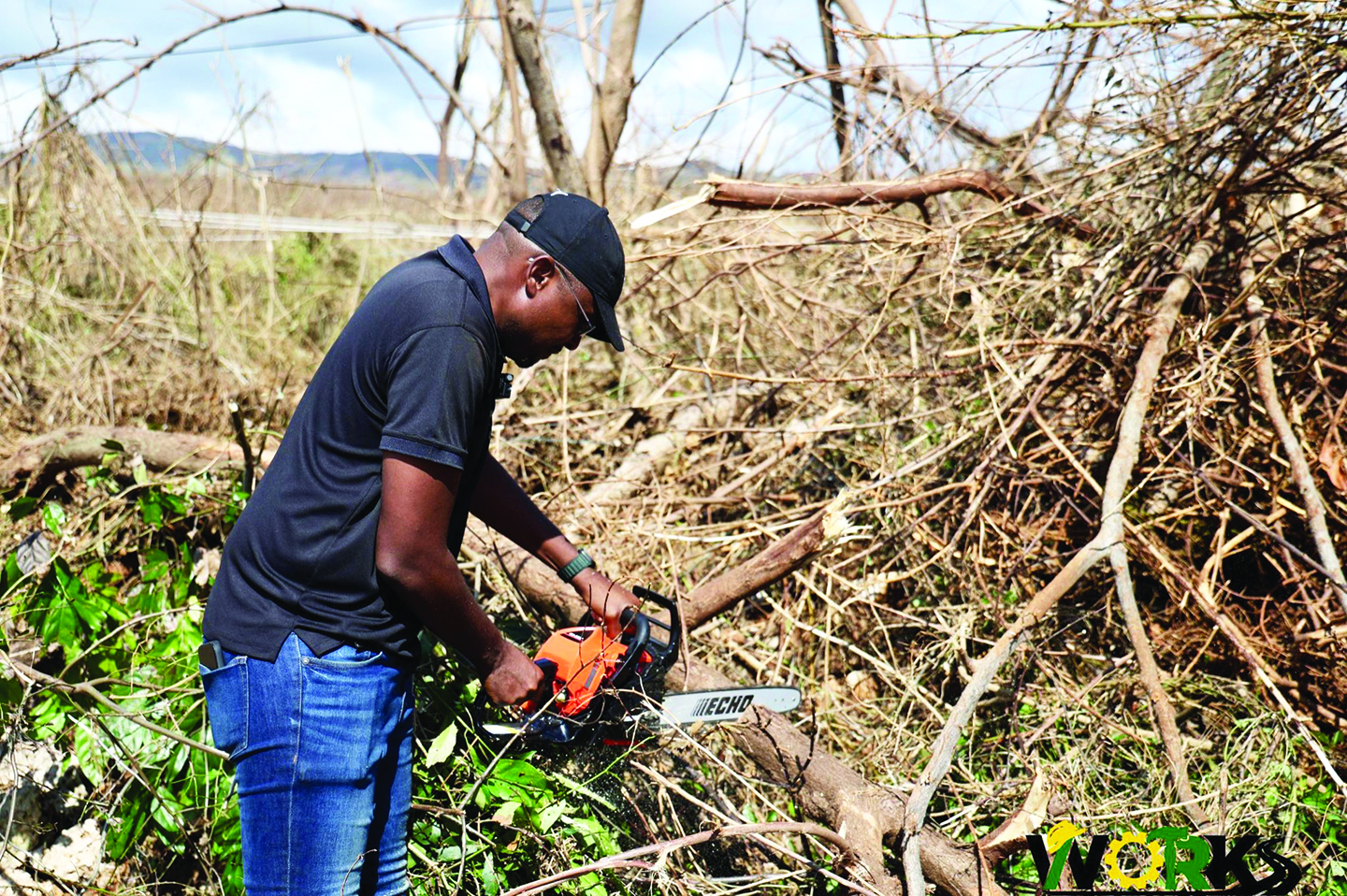
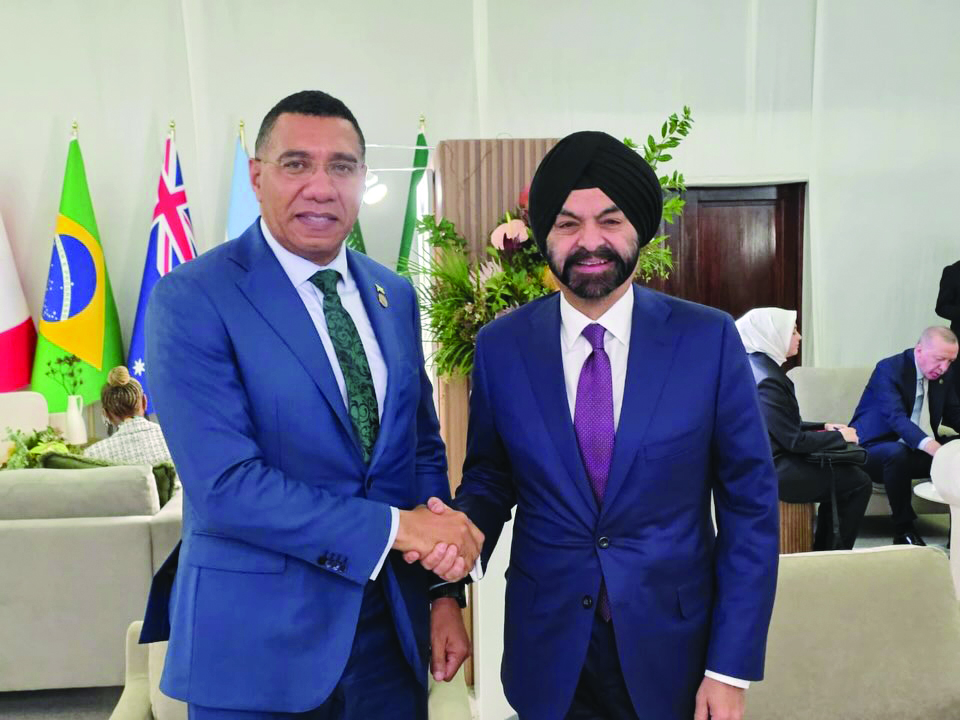
In the wake of Hurricane Melissa’s devastating impact on October 28, the Government of Jamaica (GoJ) embarked on its largest disaster‑related financing effort to date.

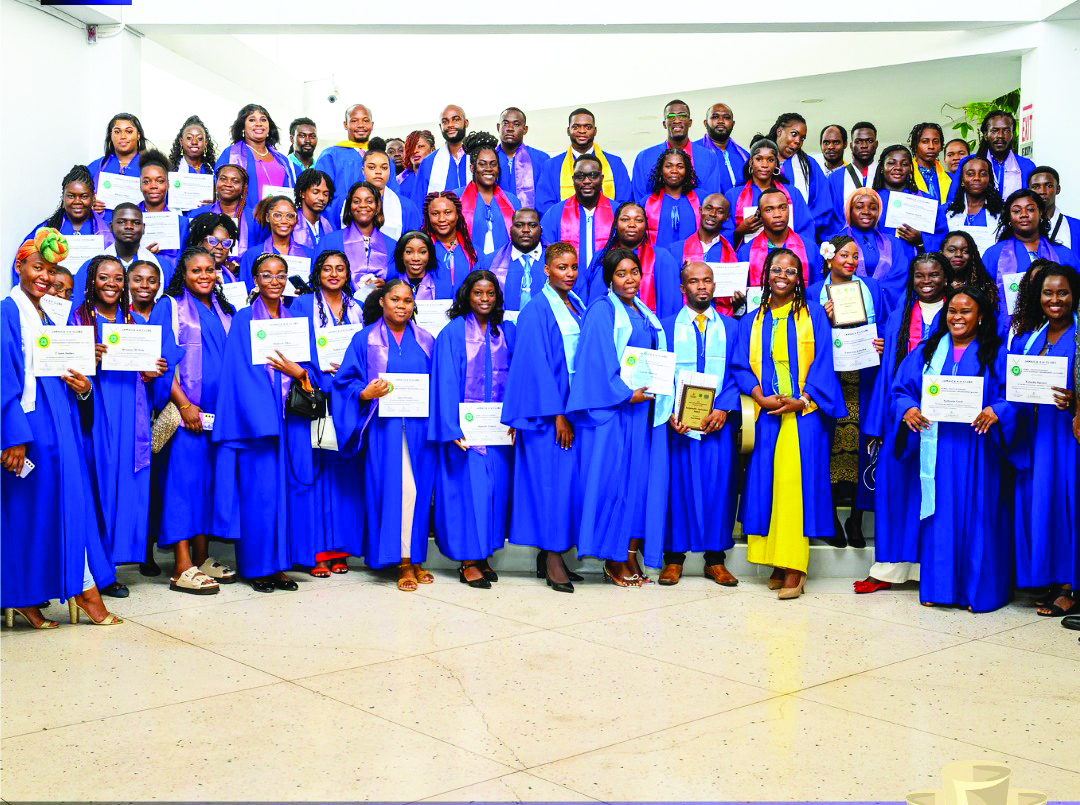
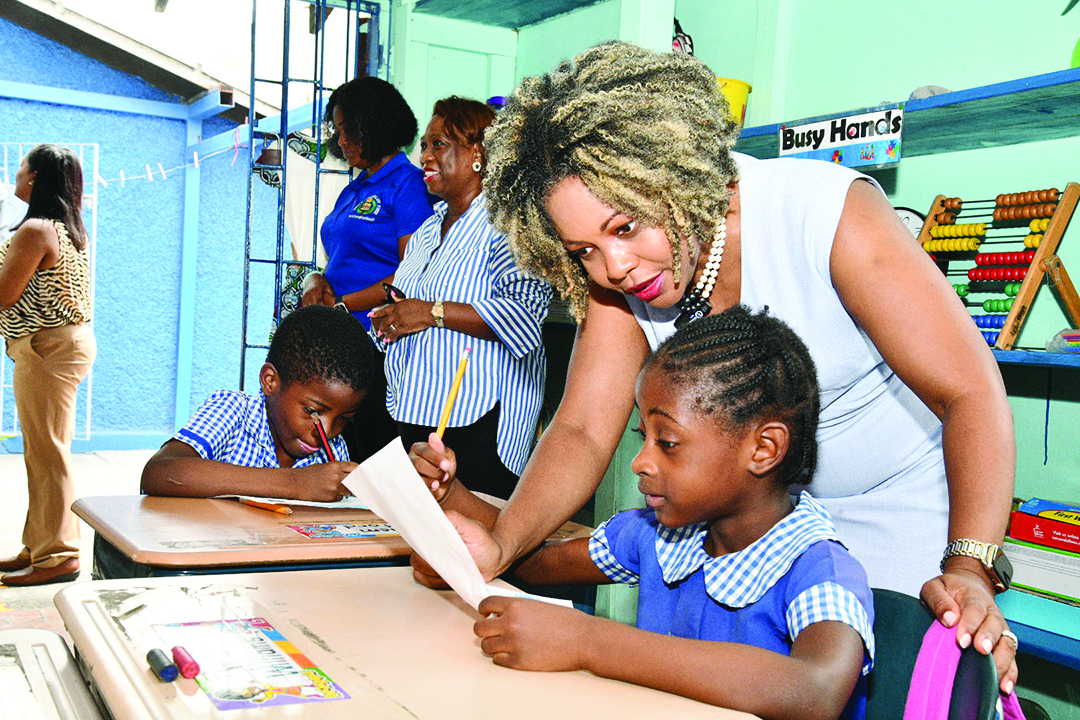
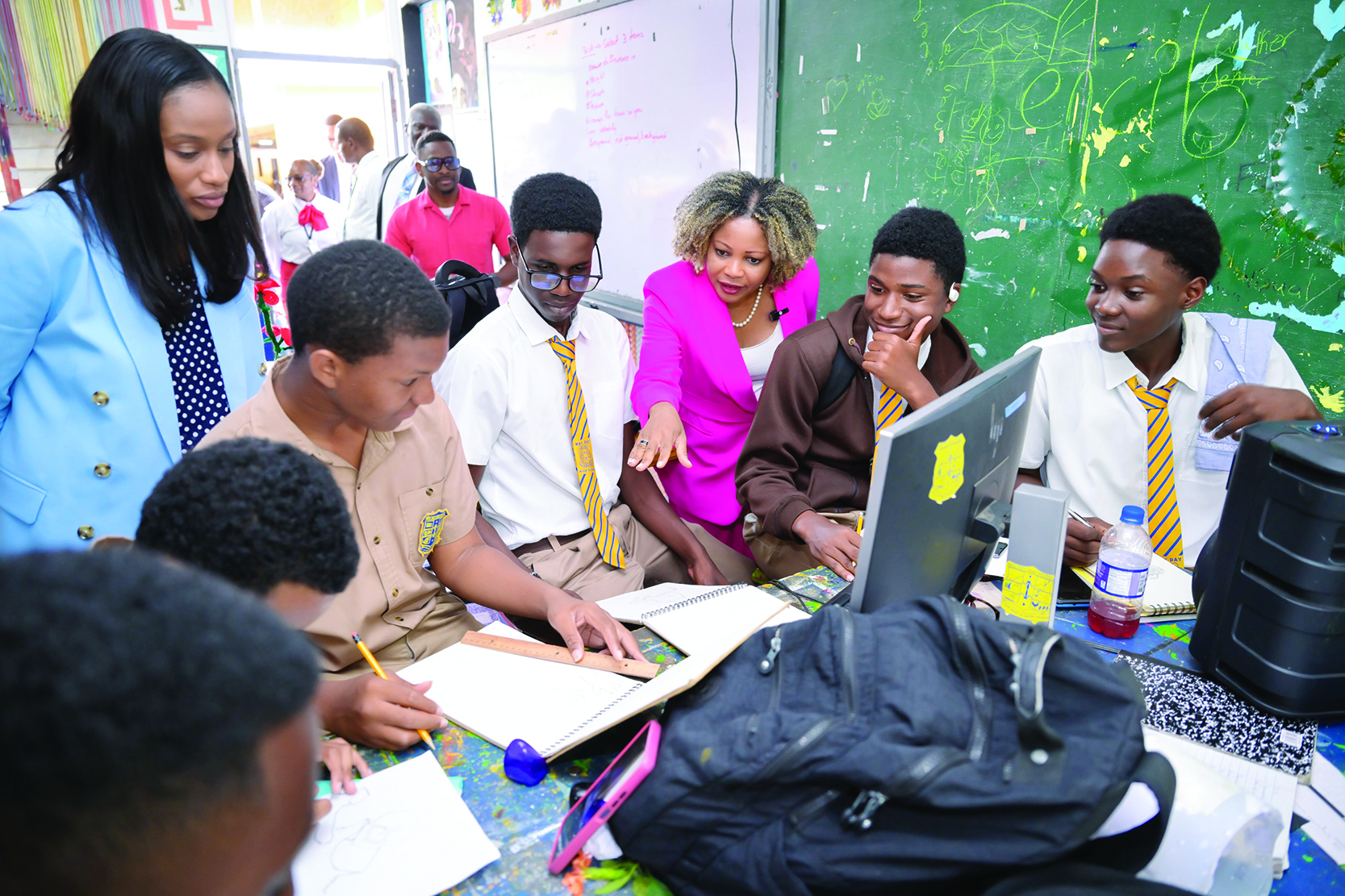
The Government made progress in transforming the education sector to the benefit of every child.
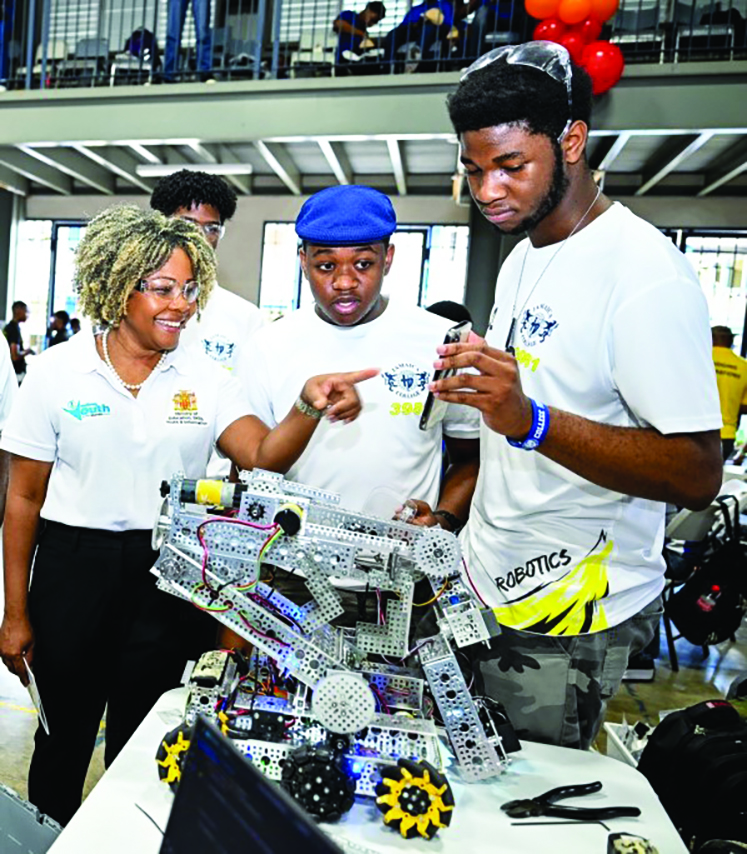
The Government continued to invest in technology to enhance student learning and prepare them for the digital workforce of tomorrow.

The Government made significant investment in agriculture to build the sector’s resilience, enhance food security and boost economic growth. Over 14.68 billion was provided for recurrent expenditure and 2.03 billion for capital projects to restore livelihoods, expand agro-parks, improve irrigation, rehabilitate infrastructure and strengthen rural capacity.


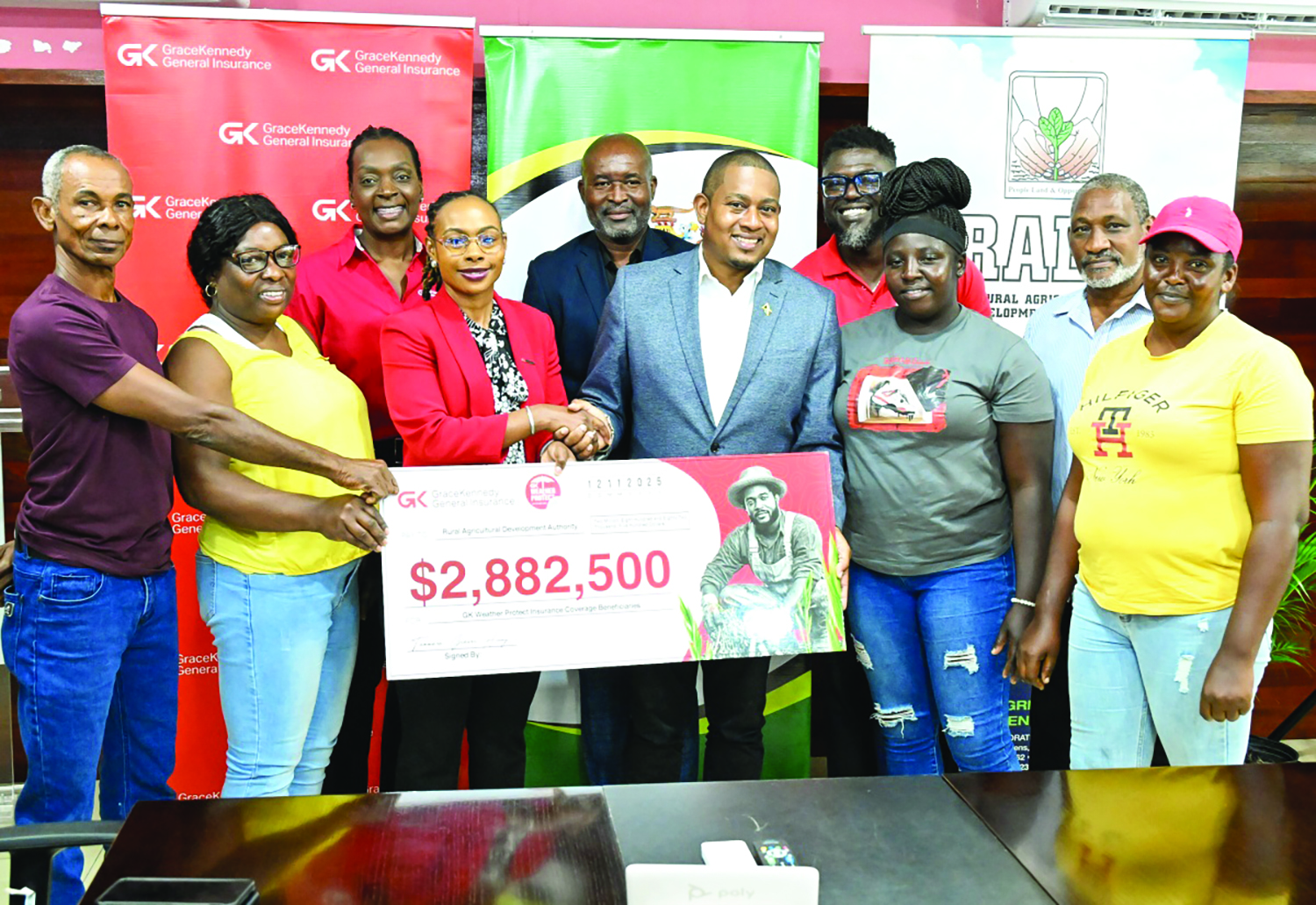
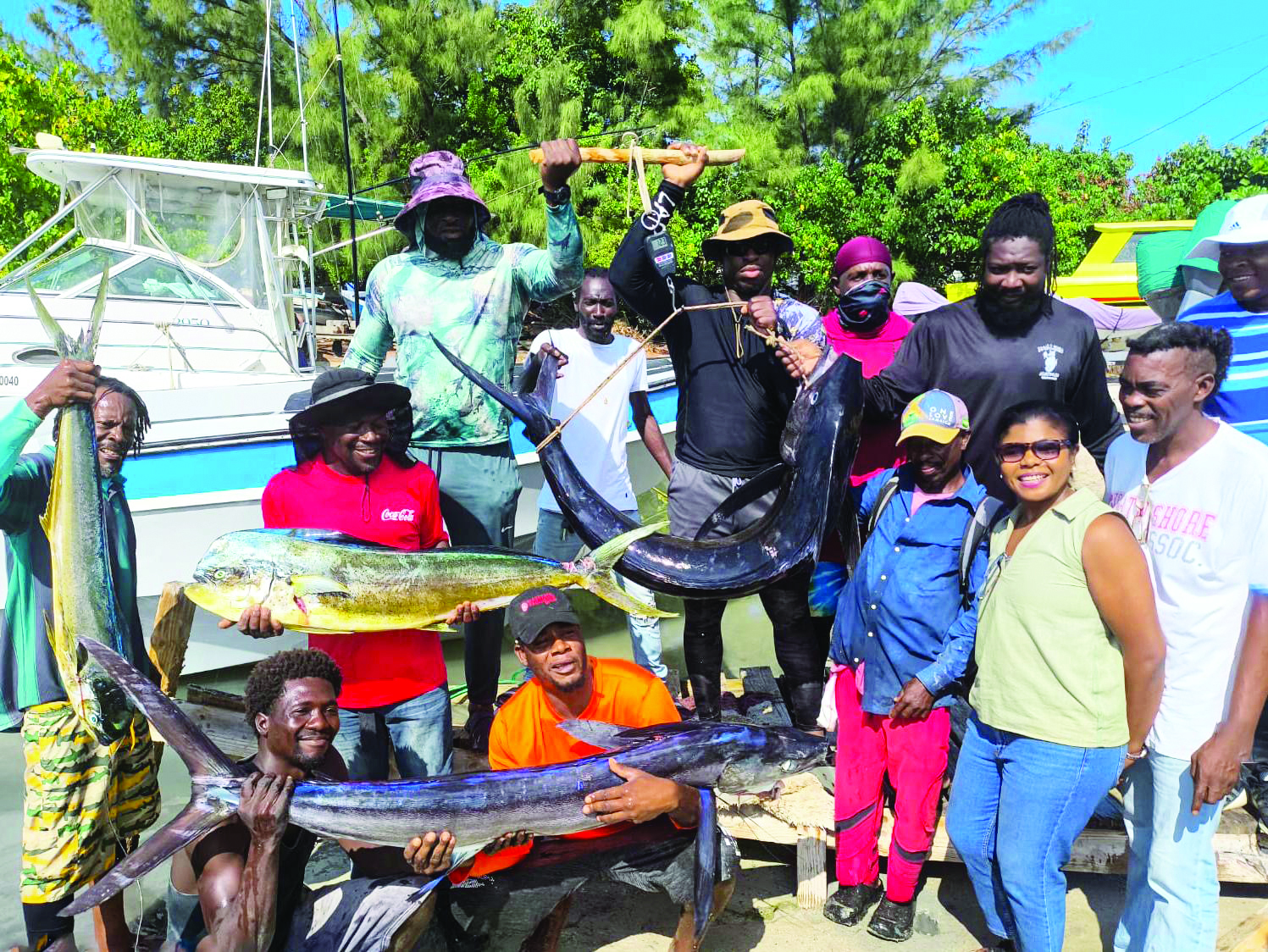
A major recovery programme is being implemented to restore the agricultural and fisheries sectors following Hurricane Melissa.
Government programmes strengthened support for vulnerable groups and encouraged community level economic activity.
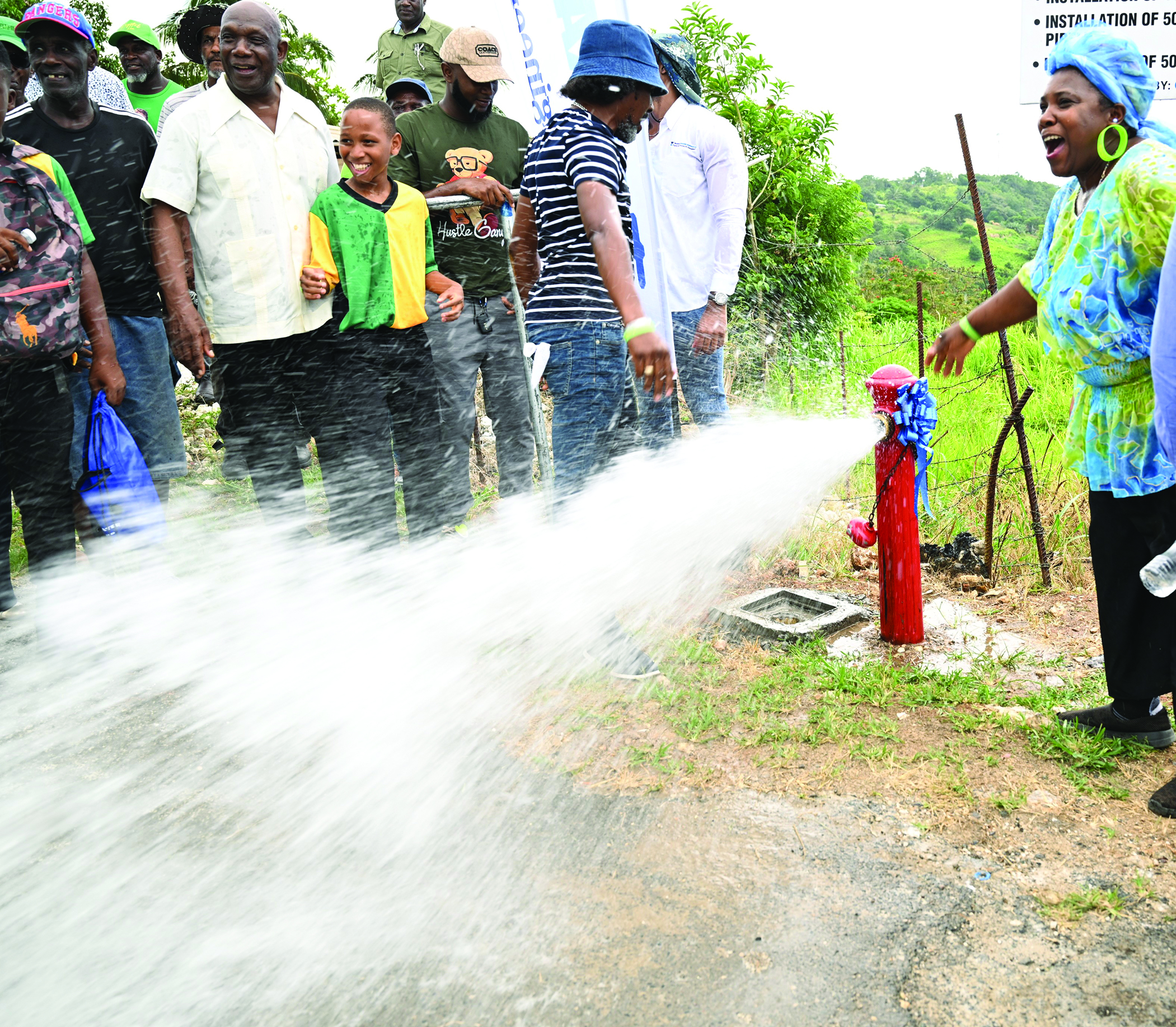
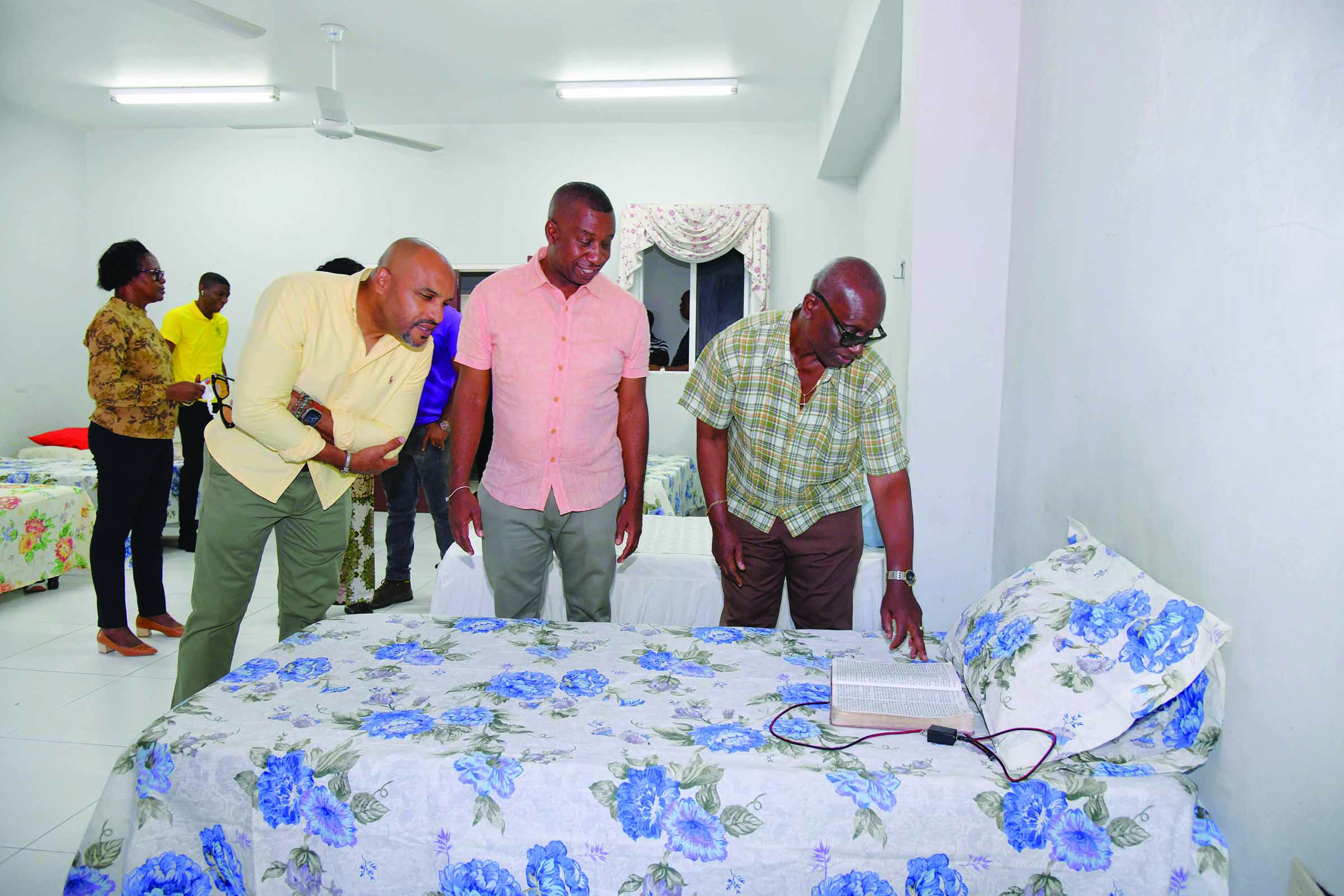
Housing & Infrastructure: New housing solutions were delivered for families in need, along with the construction of a care centre in Portland. Community infrastructure upgrades included a public restroom in Junction and road rehabilitation works in Richmond Hill.
Health & Support: Improvements were made to health facilities, including a new kitchen at the St James Infirmary, the opening of a therapeutic park at the St Catherine Infirmary, and the donation of ambulances to rural areas. Educational assistance was provided through grants awarded to registered students from vulnerable households.
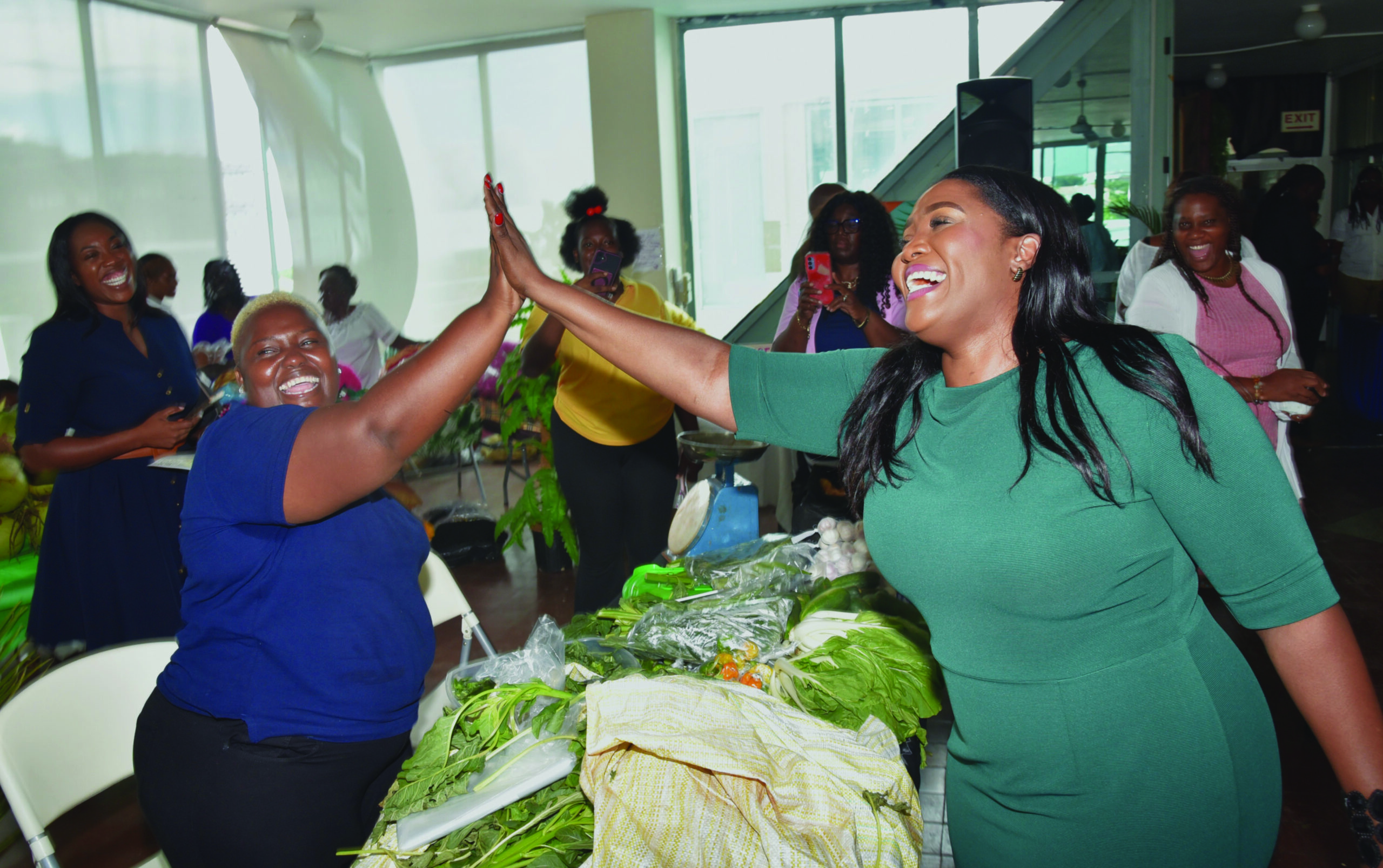
Entrepreneurship: Support was provided to small entrepreneurs across several parishes, and economic villages were established to stimulate local activity.
Youth Engagement: Youth were engaged nationwide through structured employment programmes designed to build work experience and skills.
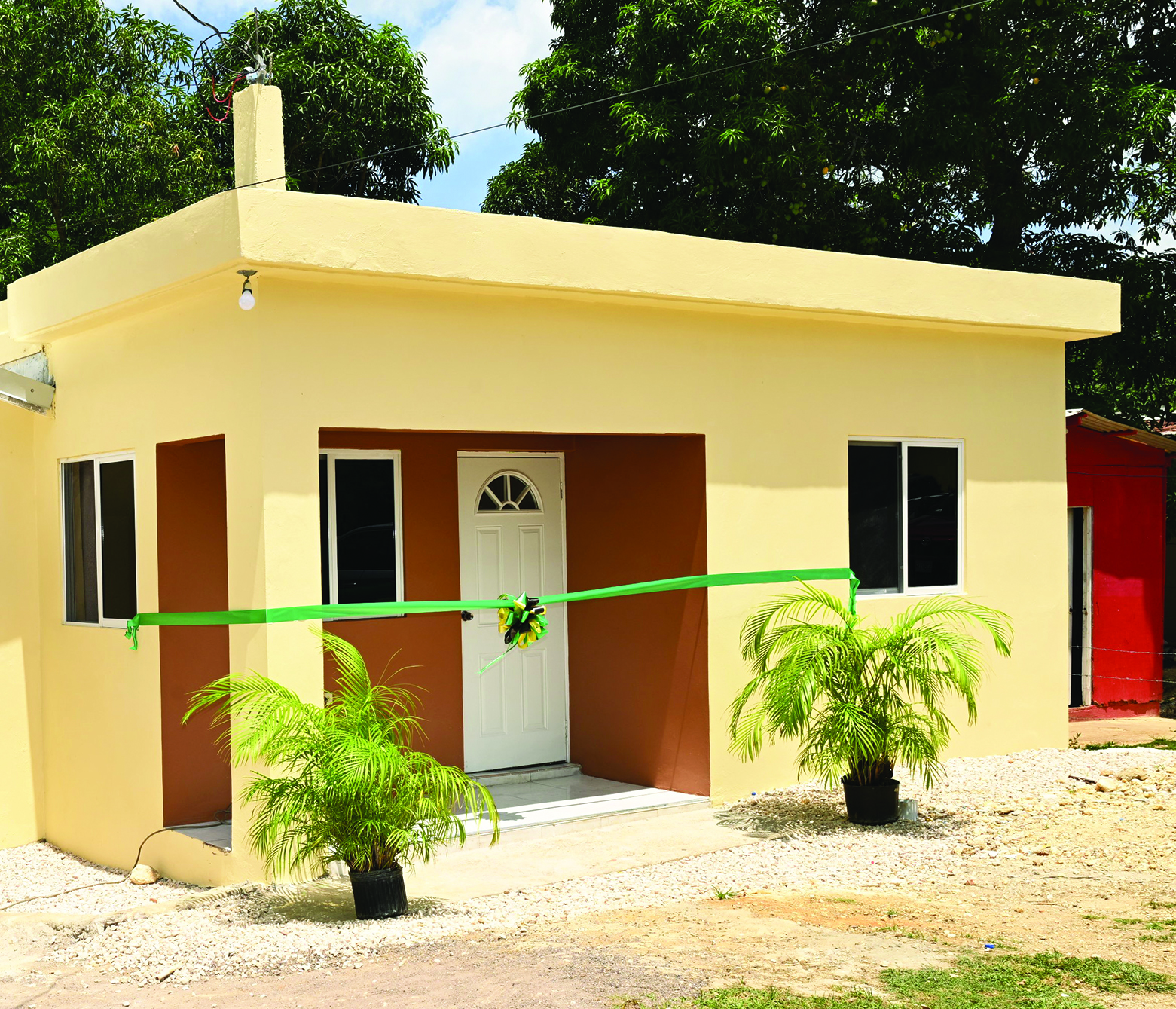
Service delivery at the local level was enhanced to respond effectively to citizen needs.
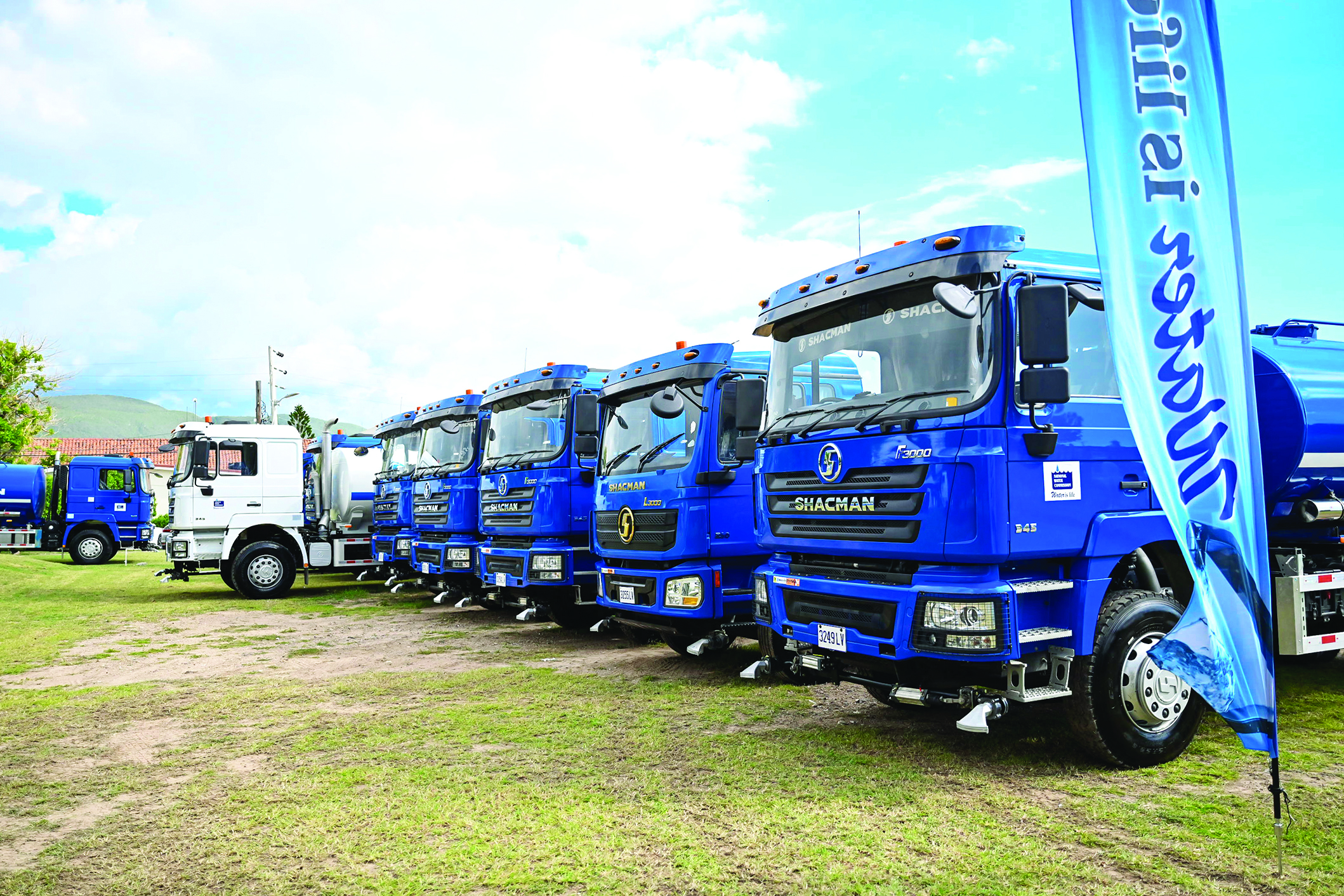
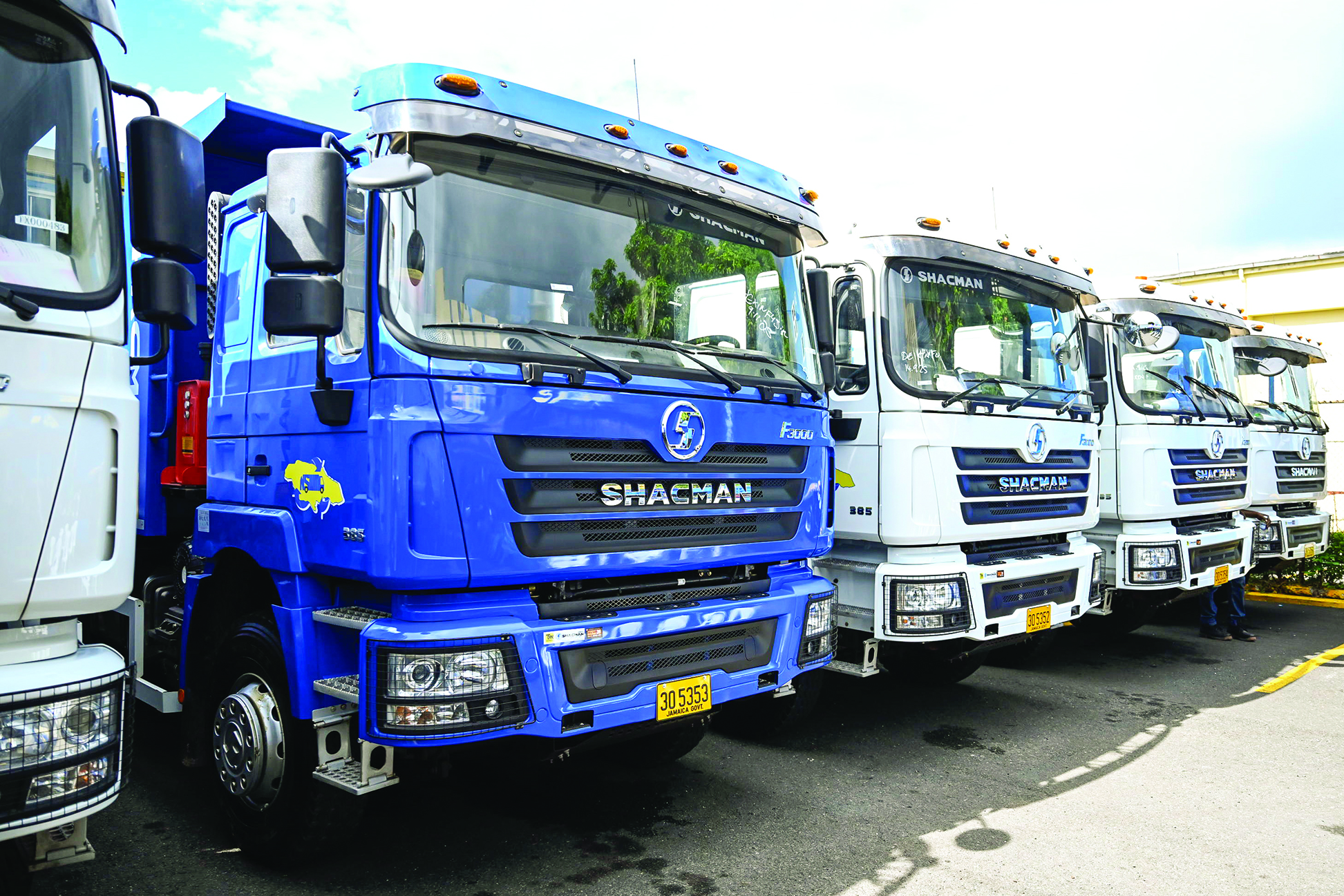
Over 845,000 tonnes of solid waste were collected, with emergency stockpiles secured for disposal sites. The NSWMA launched the ‘Pass Di Broom’ campaign to encourage community cleaning. Ten new tipper trucks were added to the fleet, alongside a national clean-up campaign to address post-hurricane debris.
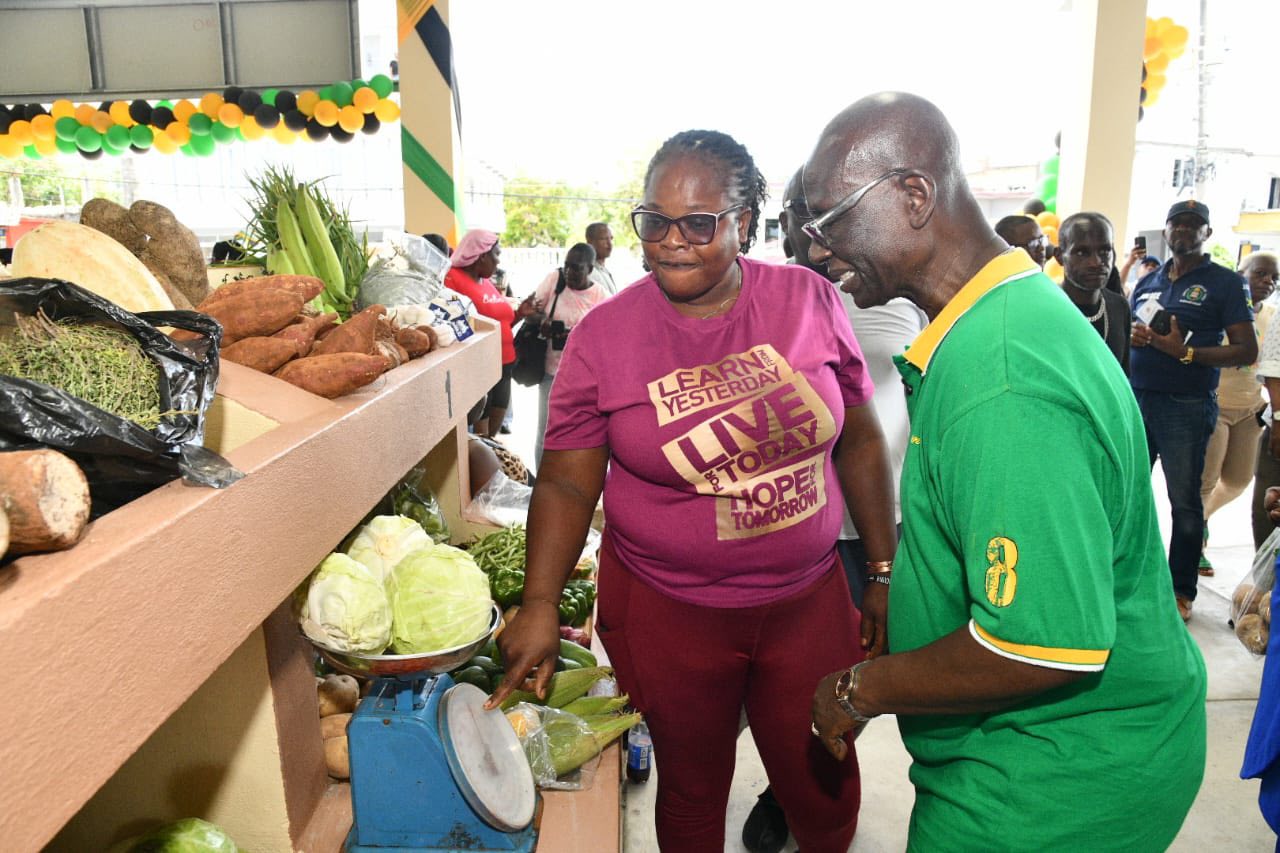
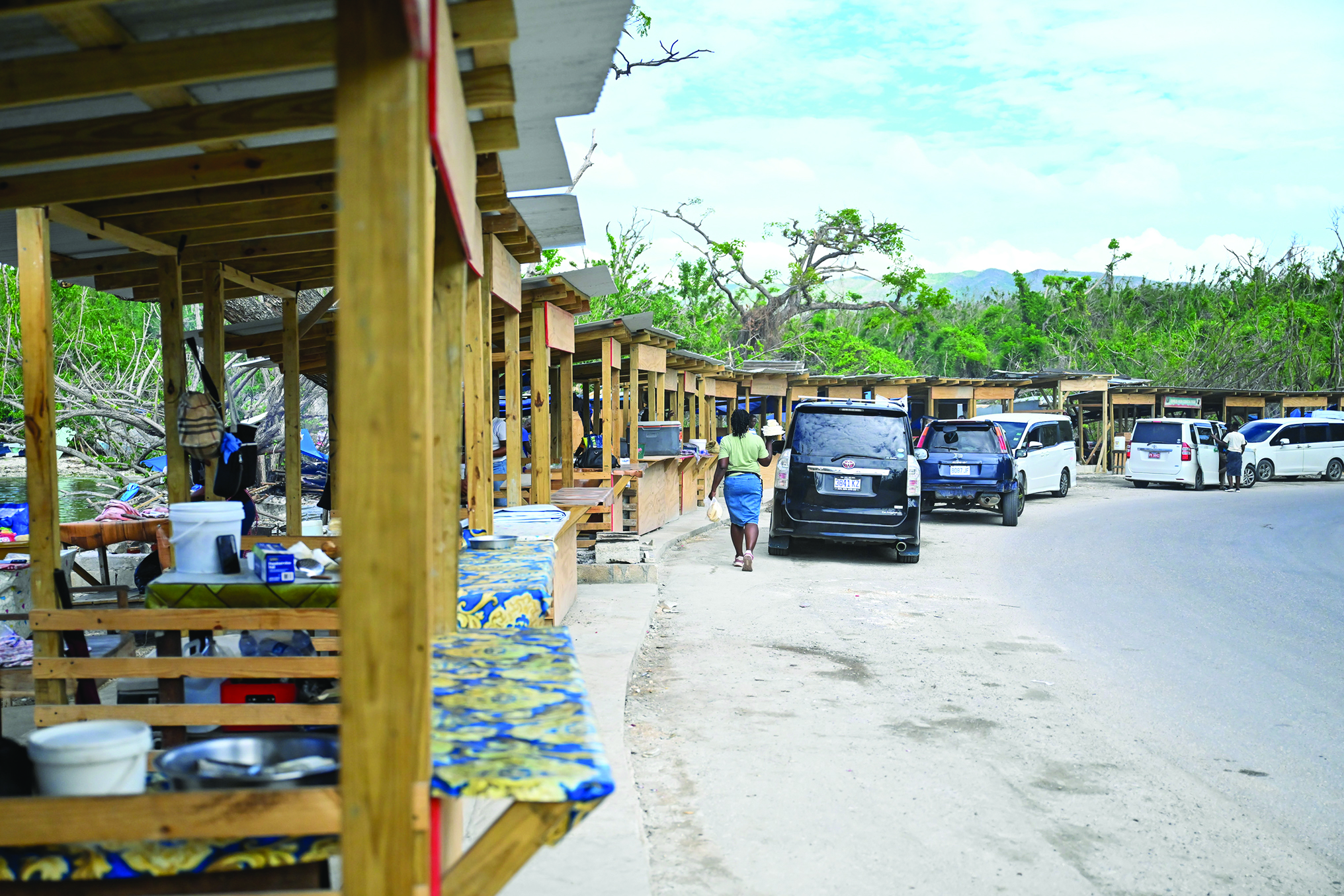
Major upgrades were completed at the Buff Bay Market. Renovations were also carried out on facilities at St. Ann’s Bay, Ocho Rios, Lucea, Charles Gordon, and Savanna-la-Mar markets, as well as the Constant Spring Arcade.
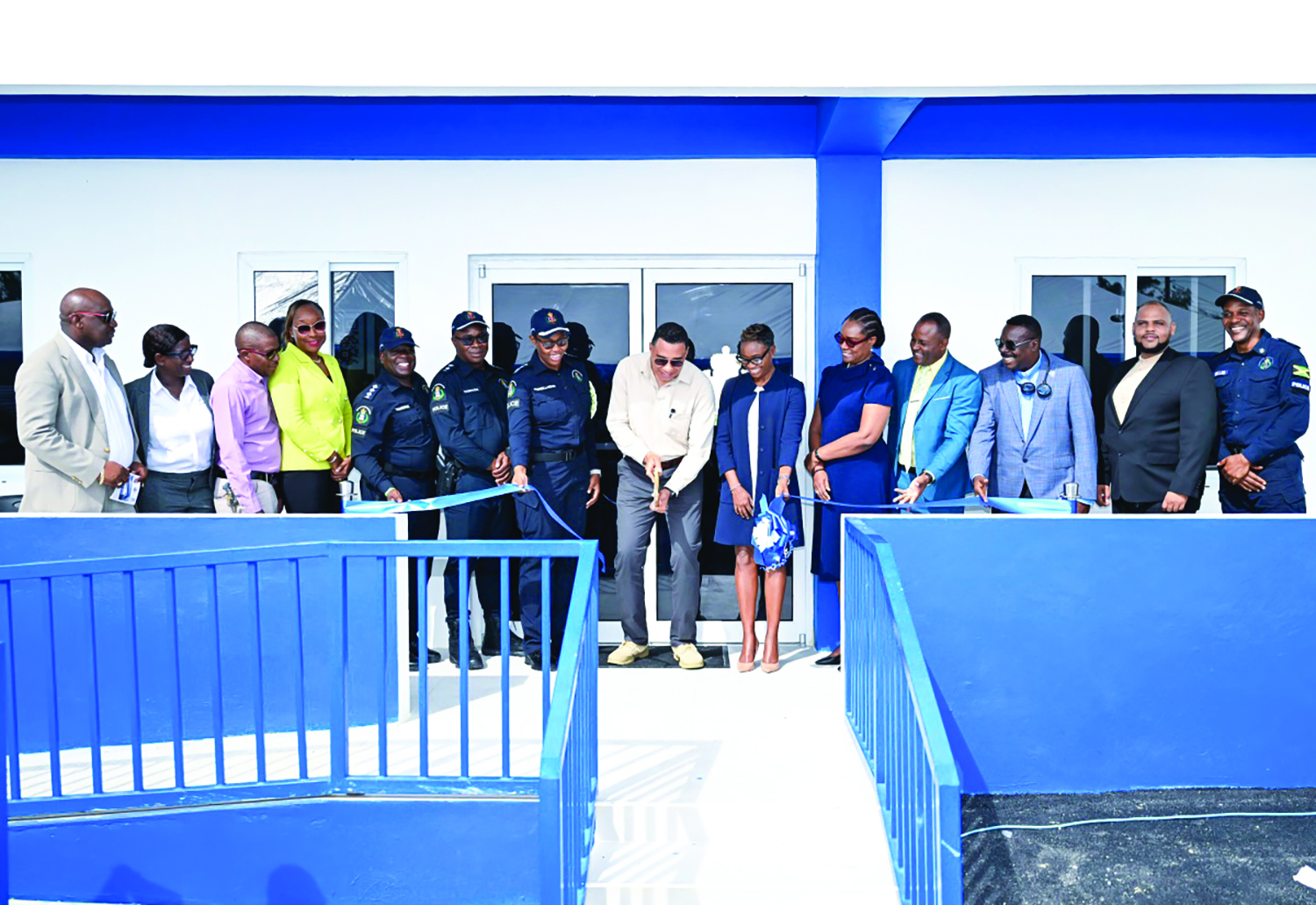
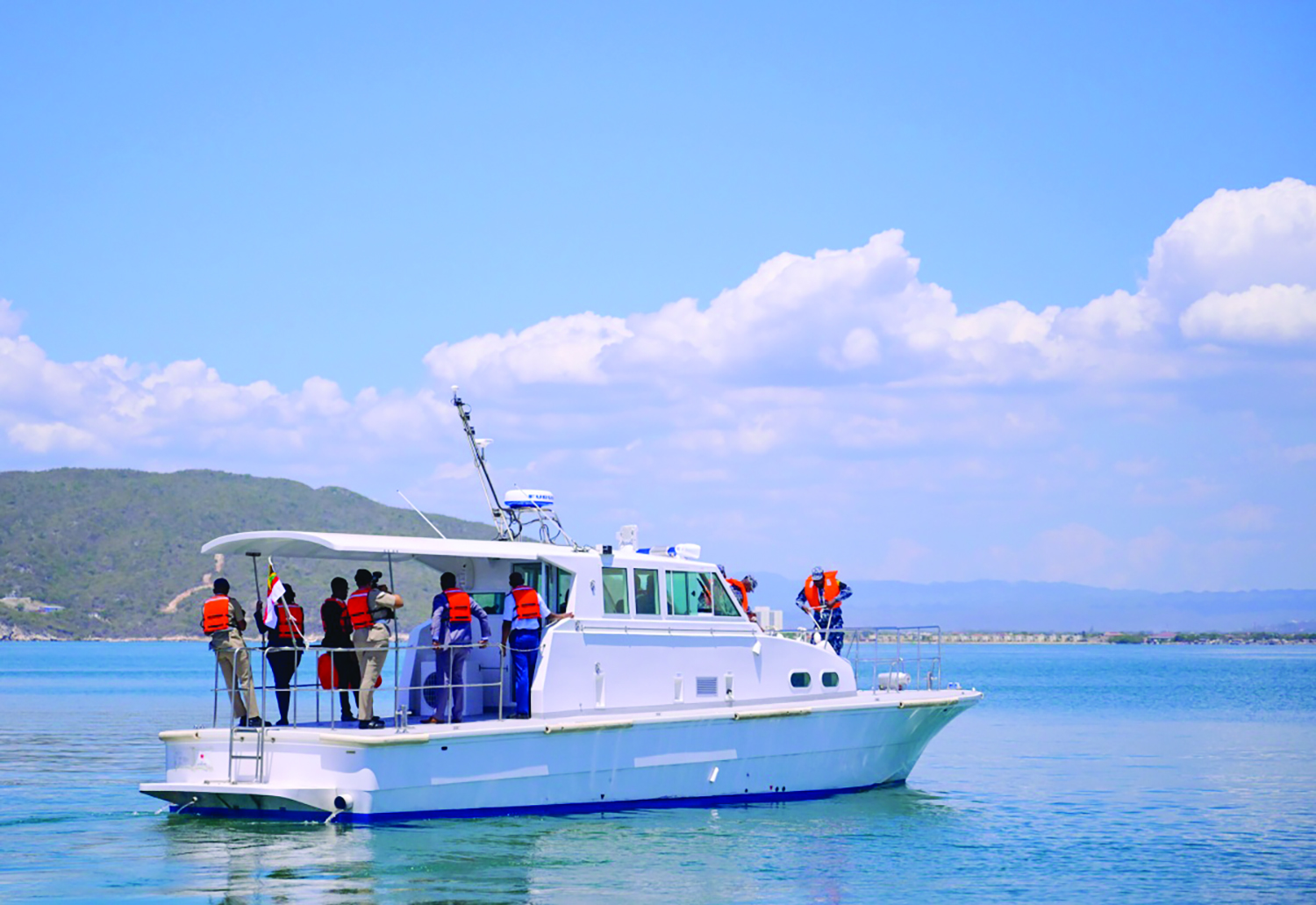
The Annotto Bay fire station reopened after rehabilitation works. Renovations were completed at Linstead, Falmouth, and Junction stations. Essential firefighting gear and equipment were obtained, including standby generators and marine engines. The Jamaica Fire Brigade inspected over 10,000 buildings to ensure safety compliance.
The Government continues to transform the justice sector through significant investments in infrastructure, ensuring modern, secure, and accessible facilities for all Jamaicans.
New Parish Court: The newly completed Morant Bay Urban Centre in St. Thomas stands as a model for modern public sector development. It houses the new St. Thomas Parish Court, providing a dignified and efficient environment for justice services.
Access to Justice: Continued expansion of Restorative Justice centres and Legal Aid services to ensure equitable access for vulnerable citizens.
Digitisation: Ongoing implementation of digital case tracking to reduce backlogs and improve court efficiency.
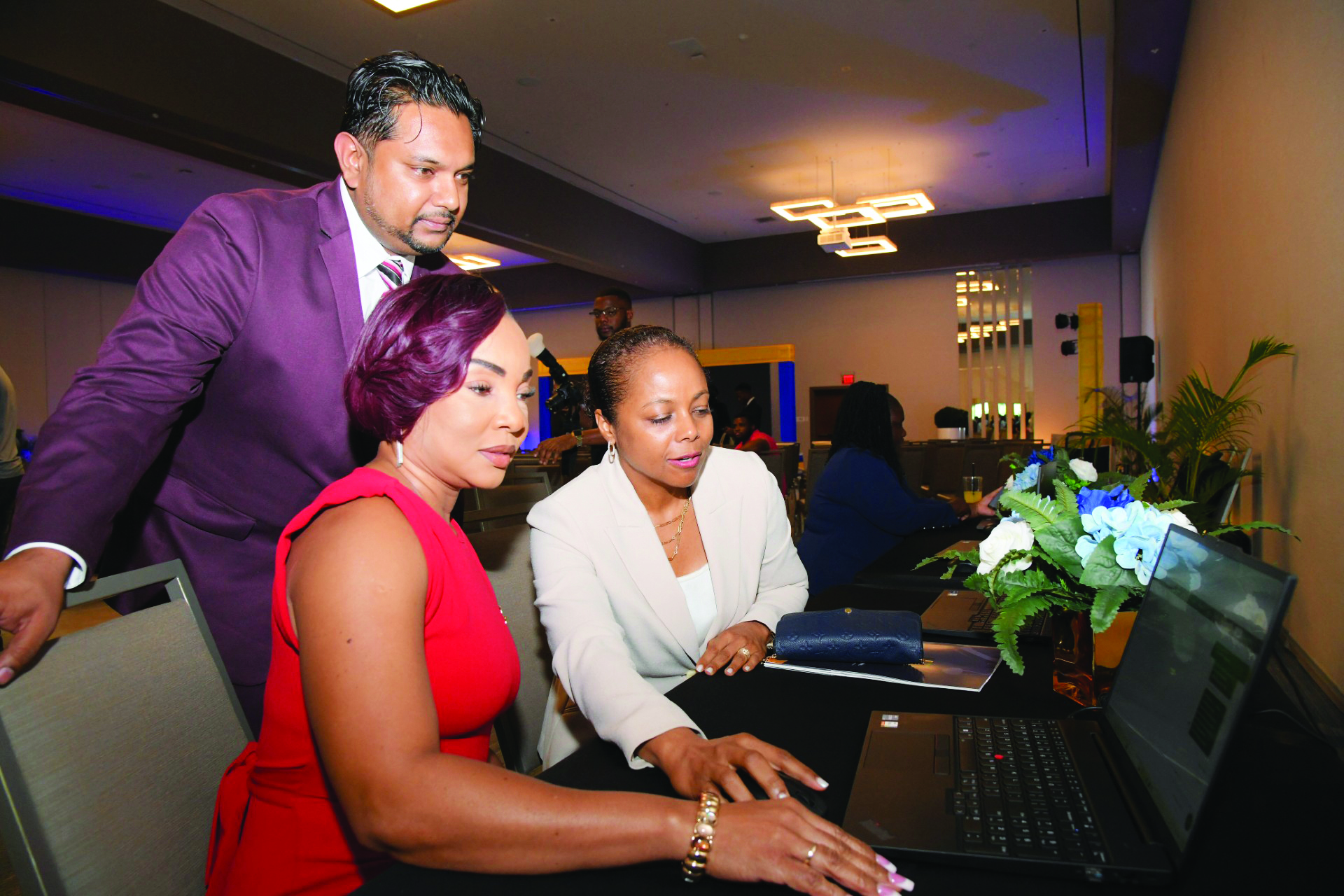
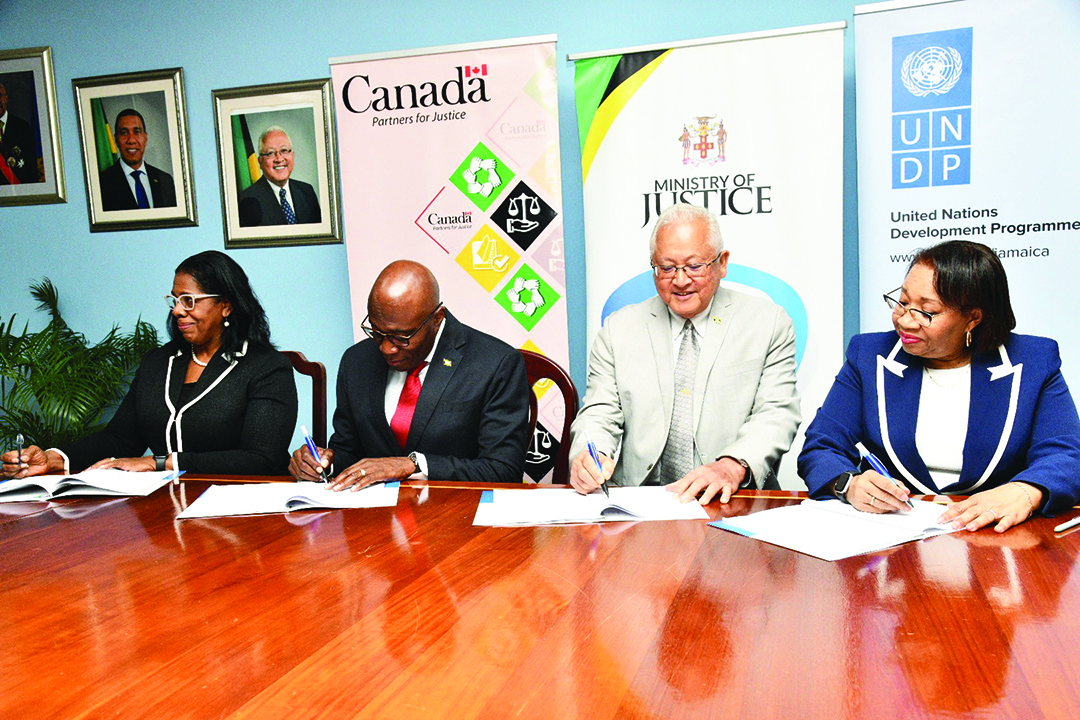
The Government continues to prioritise the resilience of the commercial sector through targeted recovery efforts following the recent hurricane. These initiatives focus on small and medium businesses to support economic stability across the island.
Business Support: Hundreds of small and medium businesses received assistance across several parishes, including Trelawny, Hanover, St. Elizabeth, and St. James. In the Border area, numerous small shops were rebuilt using resilient and protected designs.
Operations Restored: Essential cold storage and grocery services were restored in Westmoreland through the provision of industrial generators to ensure food security.
Global Integration: The Ministry launched a strategic initiative with international partners to modernise and simplify cross-border procedures. Additionally, the national trade board established a new academy to empower entrepreneurs with digital training resources.
Export Readiness: Various technology firms were equipped with advanced readiness support under a national investment and promotions initiative.
Investment: International development partners provided millions of United States dollars to fund islandwide roadshows for businesses. Furthermore, substantial funding from international partners continues to support a digital project aimed at training thousands of entrepreneurs.
Innovation: Millions of Jamaican dollars were allocated to the national training trust to support trainee start-ups. The Ministry also successfully hosted a craft event for local artisans and facilitated the launch of a new culturally themed beverage.
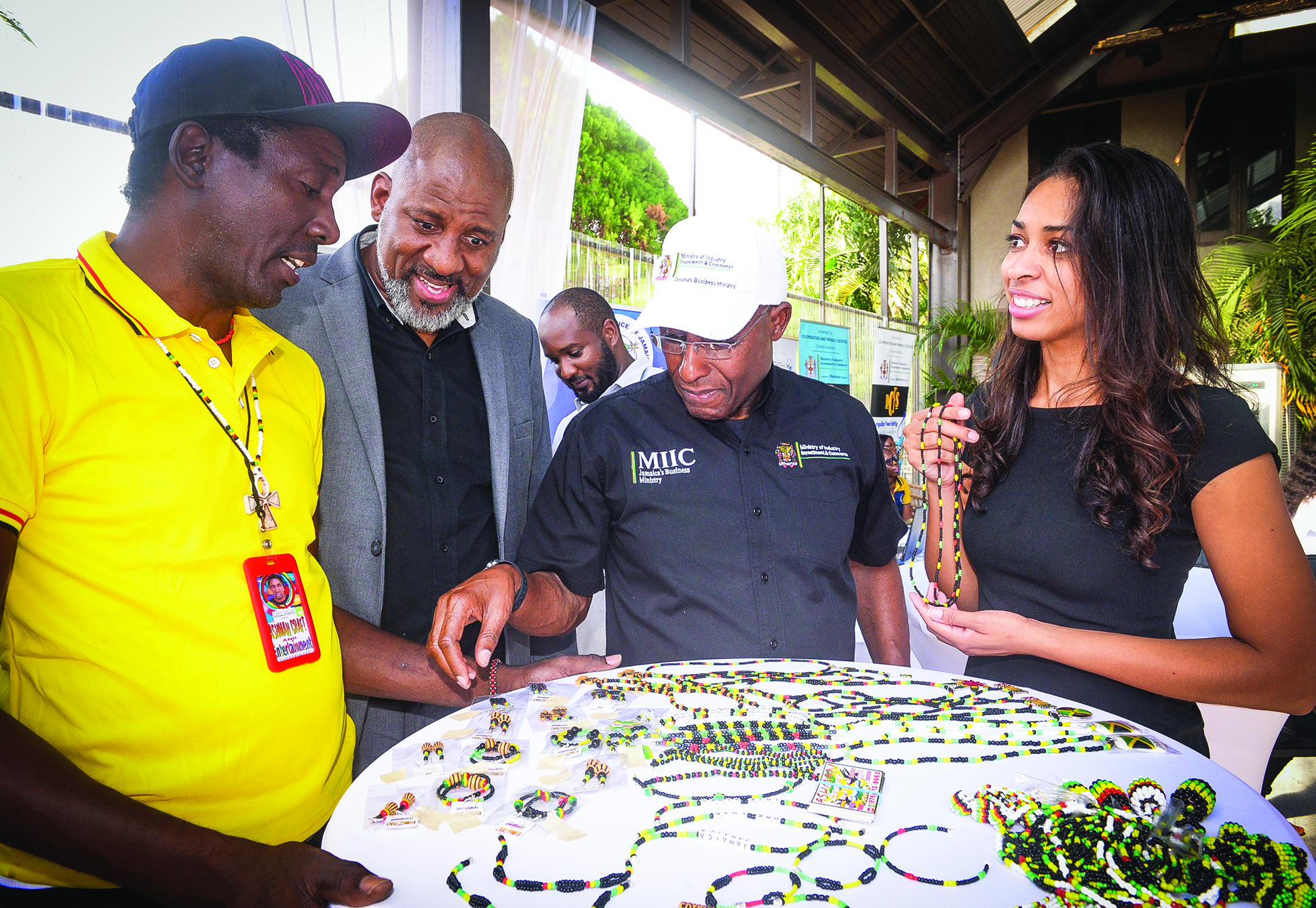
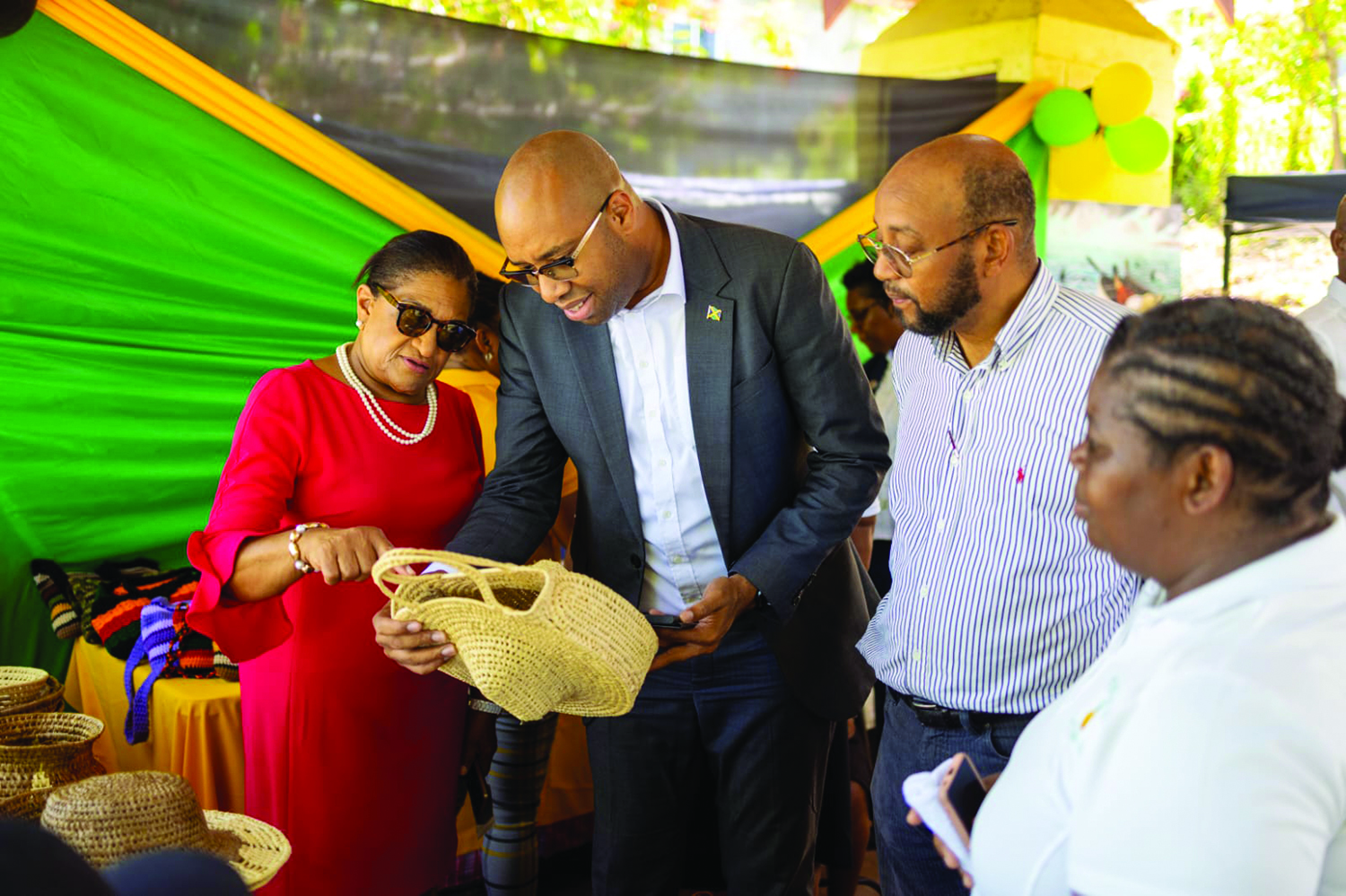
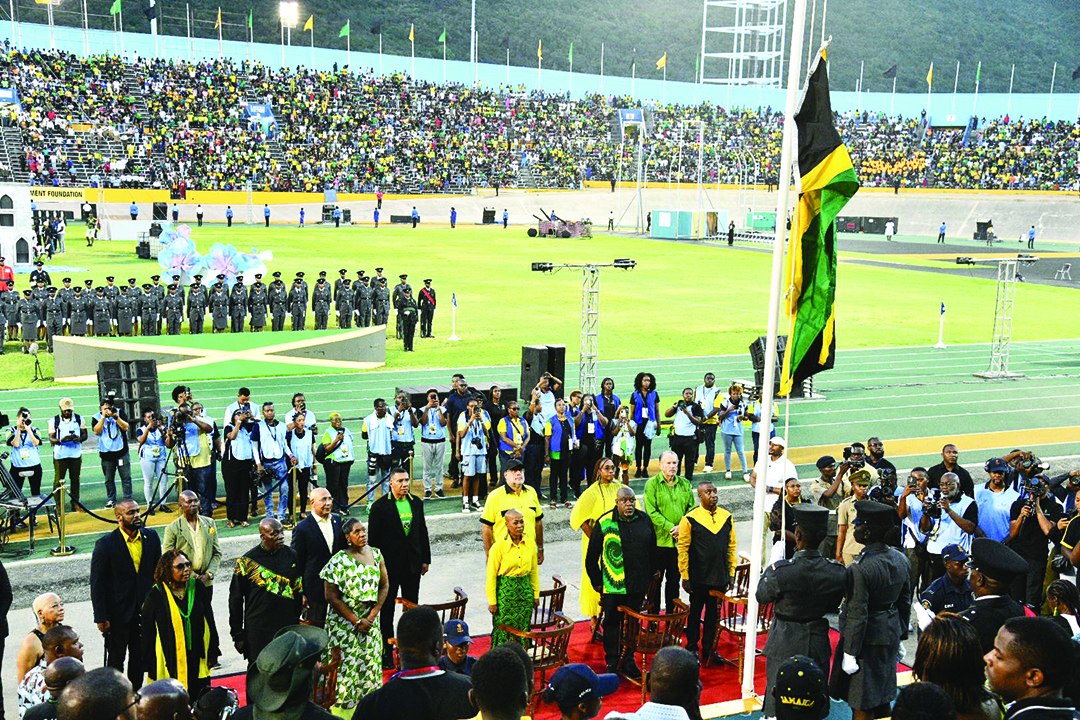
Jamaica solidified its status as a global force in culture, driven by its powerful influence in music and entertainment, world-class athletes, cuisine and distinct heritage.
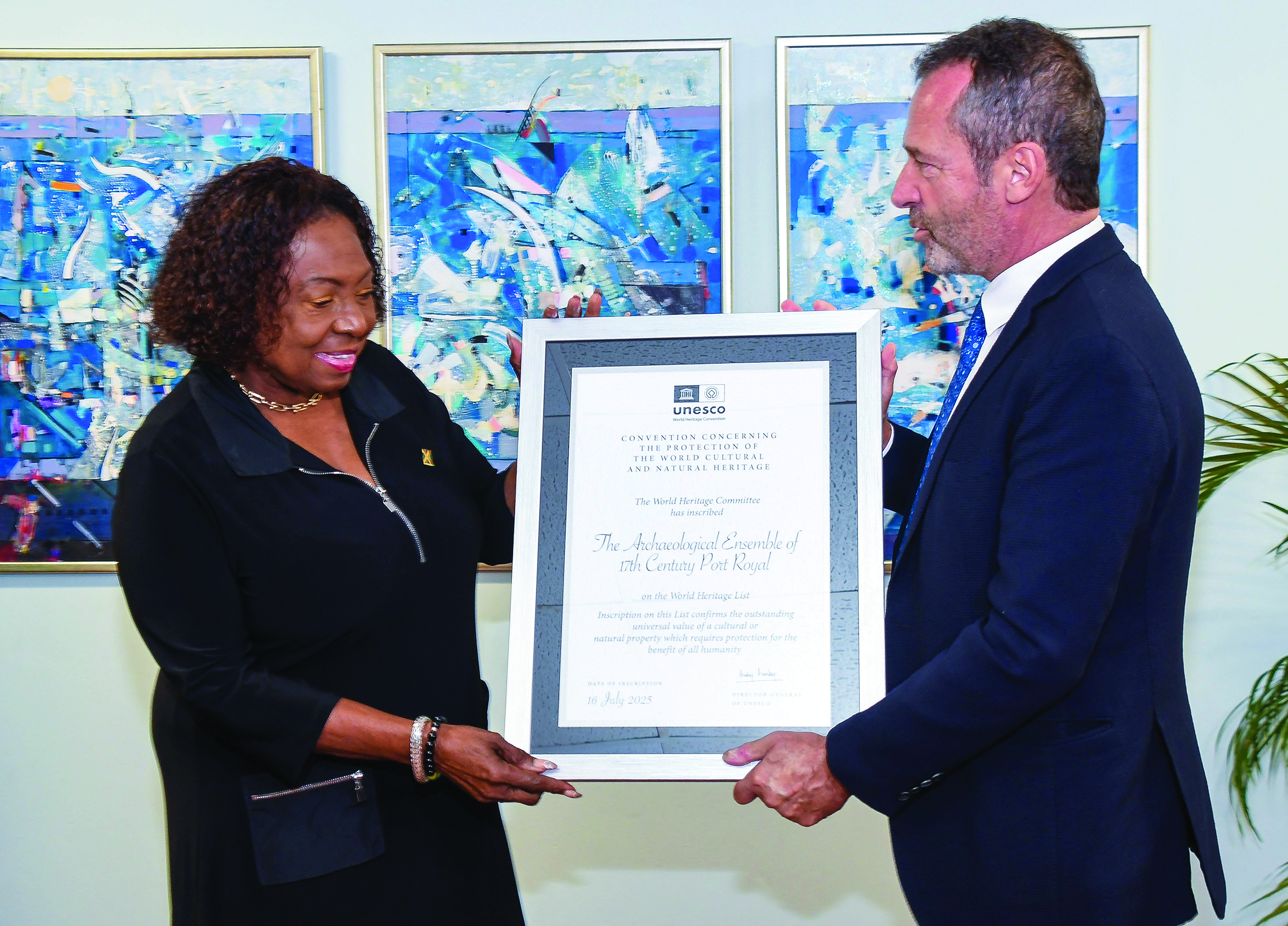
World Heritage: Port Royal was formally inscribed as a UNESCO World Heritage Site in twenty twenty-five. This designation acknowledges the site outstanding universal value as a former hub of colonial power, trade, and piracy, much of which lies underwater after the sixteen ninety-two earthquake. It is Jamaica second World Heritage site.
International Exposure: Jamaica had a successful showing of cultural vibrancy, collaborative spirit and sustainable innovation at Expo twenty twenty-five Osaka, Kansai, Japan.
Memorial and Research: A seven point nine million dollar heritage site honouring the one hundred and eighty-seven victims of the nineteen fifty-seven Kendal Train Crash in Manchester was unveiled on September eleven, featuring a memorial park and museum developed in partnership with the Kendal Crash Committee.
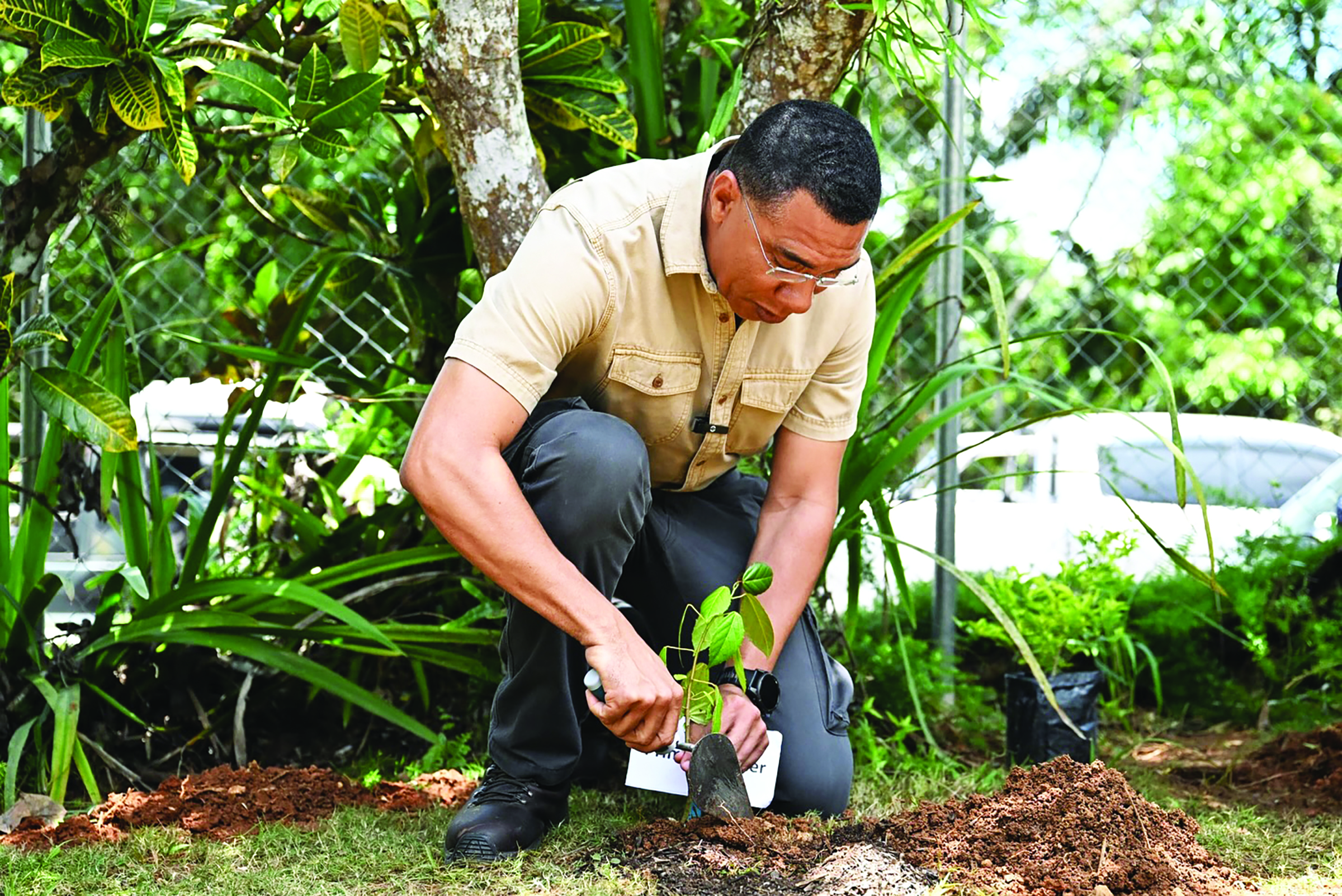
Environmental Projects: National Labour Day was observed under the theme Protect the Environment: Our Land, Our Duty, Our Future with the national project being the establishment of an Environmental and Research Park at Mason River in Clarendon.
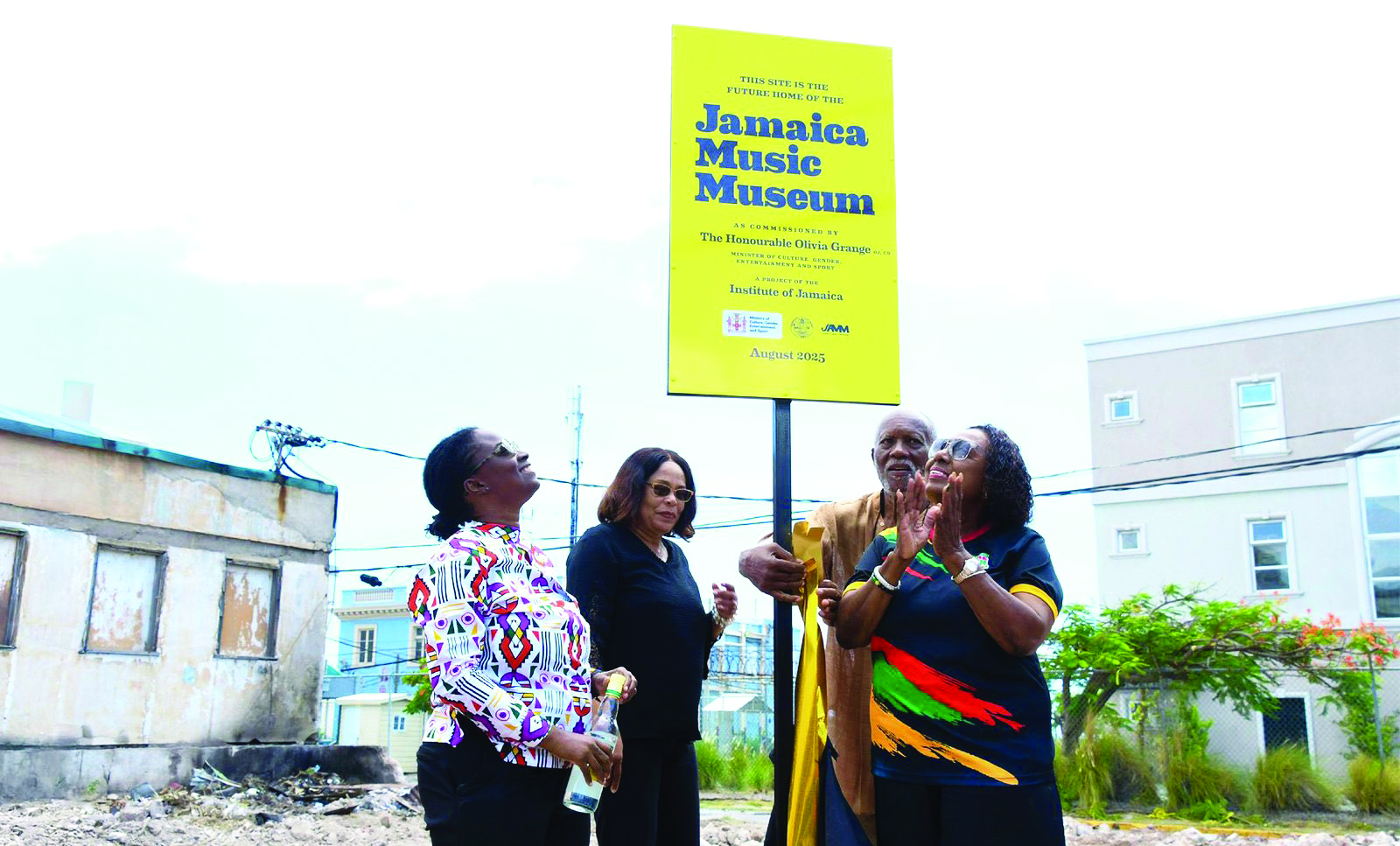
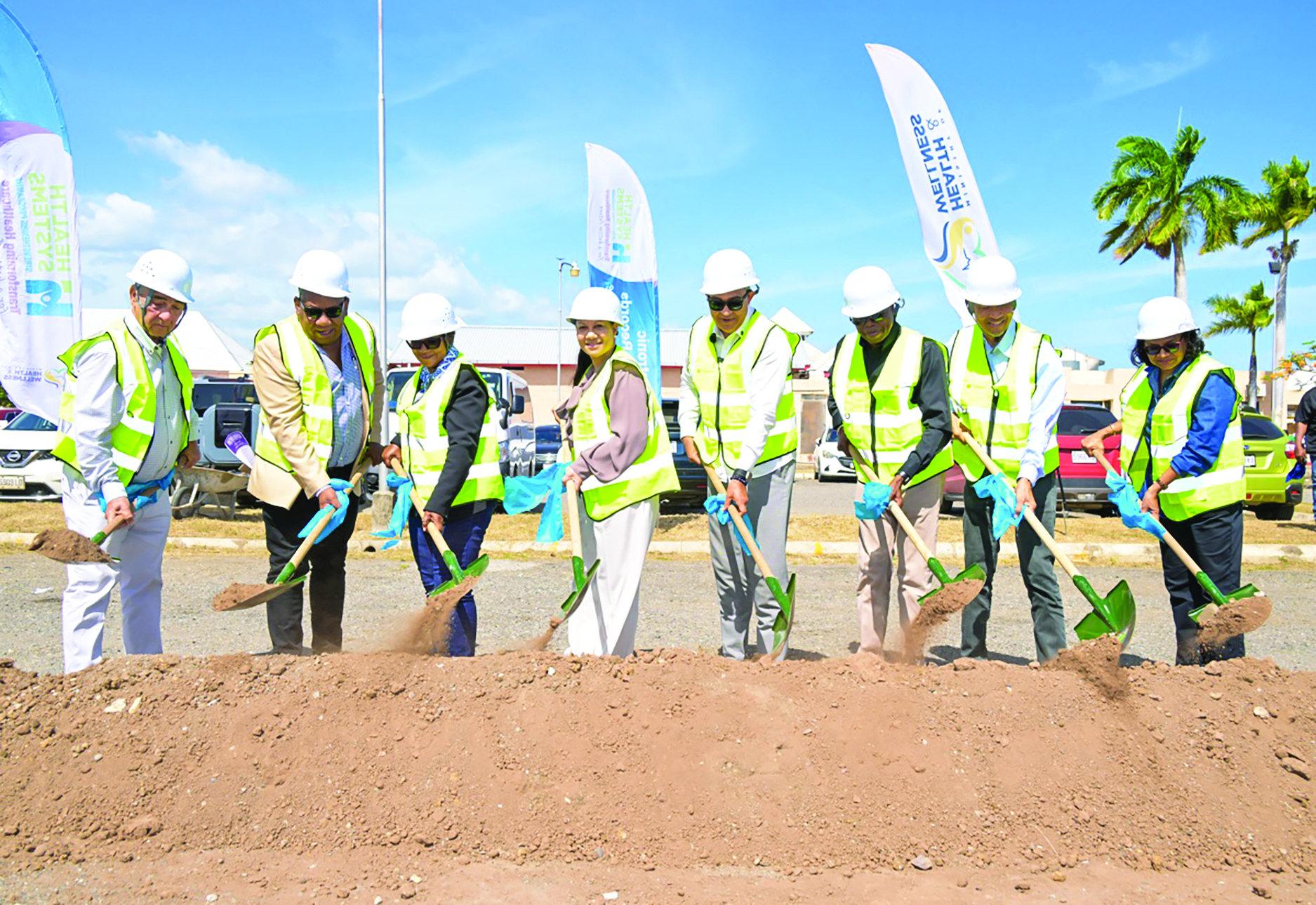
Museum Development: Ground was broken for the new state-of-the-art facility for the Institute of Jamaica Music Museum at the corner of East Street and Tower Street in downtown Kingston. Additionally, the Rockfort Mineral Bath complex was reopened following extensive renovation work undertaken by Caribbean Cement Company Limited.
Strategic Policy: The National Policy for Culture, Entertainment and the Creative Economy Green Paper was tabled. It is designed to strengthen the creative economy, support artists and creatives, safeguard the nation heritage, and align the culture and entertainment sectors with national development.
Practitioner Support: The first set of artistes and creatives received health insurance cards under the Jamaica Entertainers and Creatives Insurance Plan. Furthermore, a national fundraising initiative, dubbed I Love Jamaica, was launched aimed at raising resources to support Hurricane Melissa relief. The first event held in Kingston raised over sixty-five million dollars.
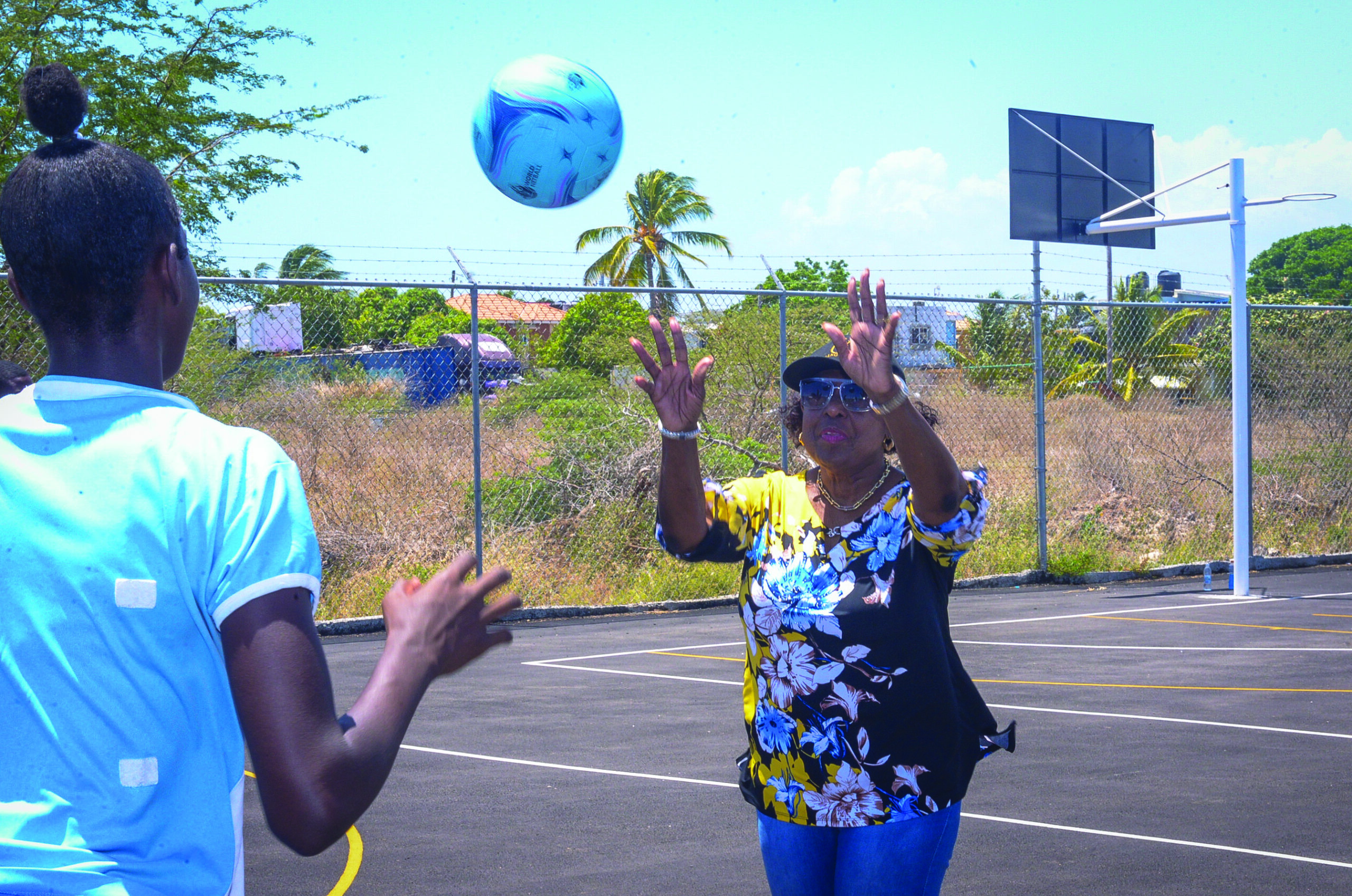
Infrastructure: The new running track at the National Stadium was completed and commissioned at a cost of three hundred and fifty thousand United States dollars. Additionally, Greater Portmore High School in St. Catherine received two newly upgraded multipurpose courts valued at five million dollars.
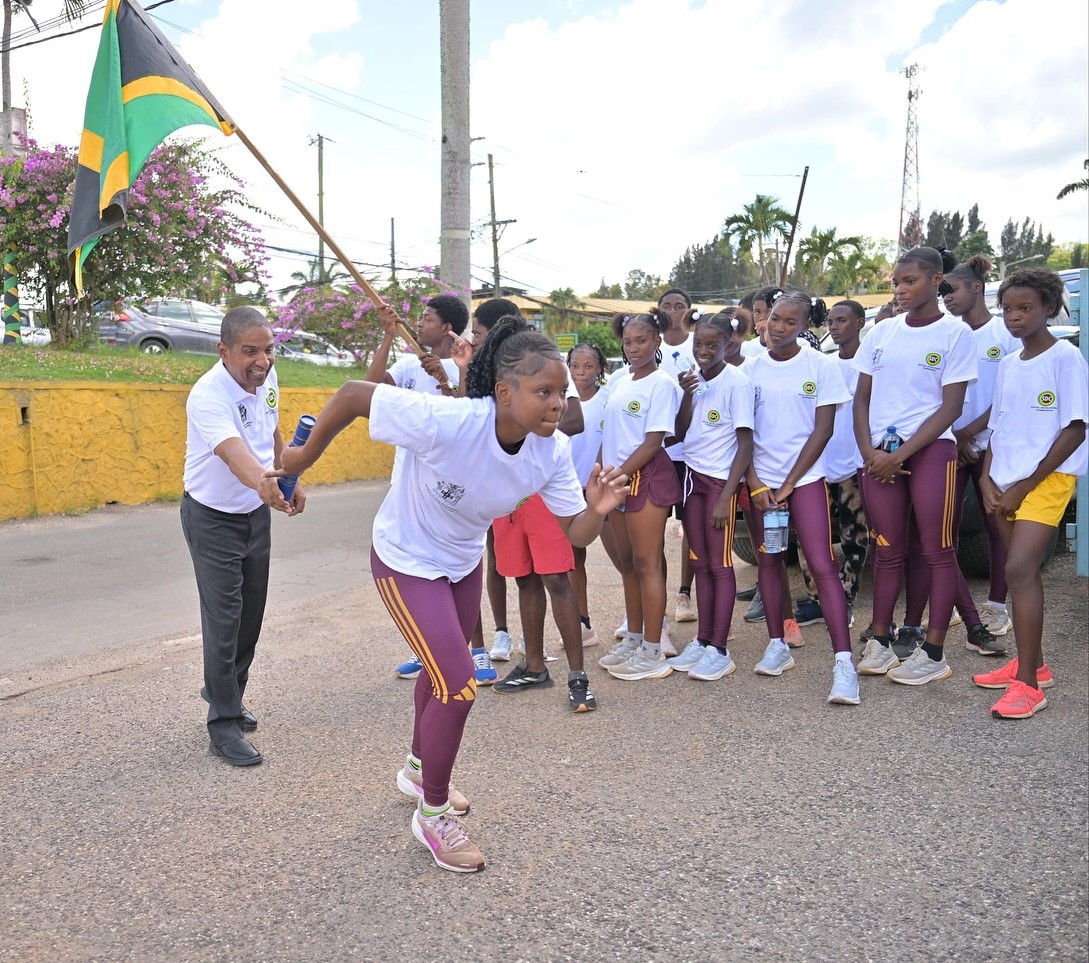
Athletic Recognition: An incentive cheque valued at six point eight million dollars was presented to the women cricket team in recognition of their outstanding performances during the twenty twenty-four season.
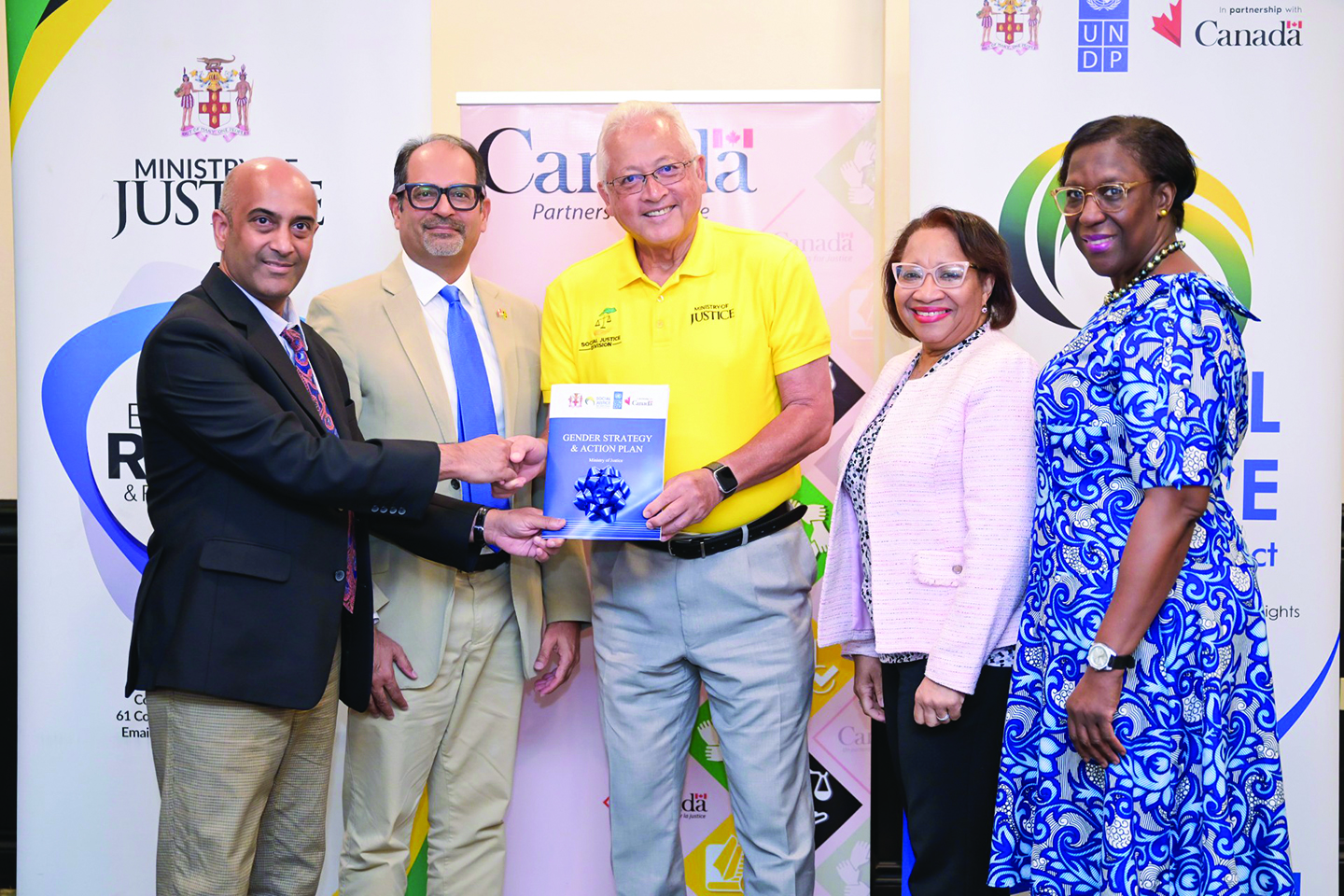
Legislative Action: Eighteen authorised officers were formally designated to carry out key duties under the Sexual Harassment Protection and Prevention Act of twenty twenty-one. Furthermore, fourteen Sexual Harassment Tribunal members were sworn in to serve on the body that will hear and rule on cases across the island.
Workplace Standards: The Bureau of Gender Affairs reviewed more than eighty workplace policies to ensure alignment with national standards.
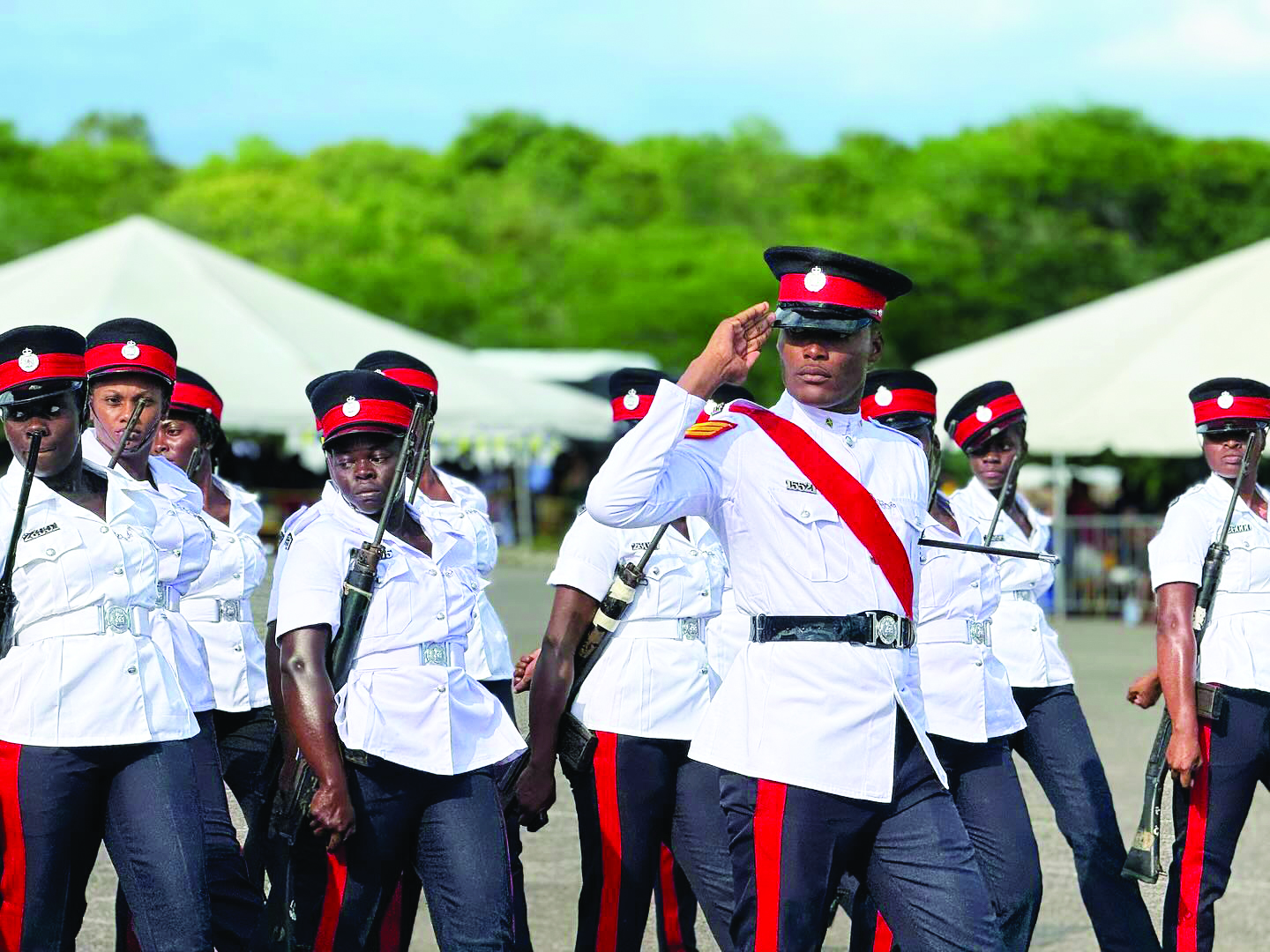
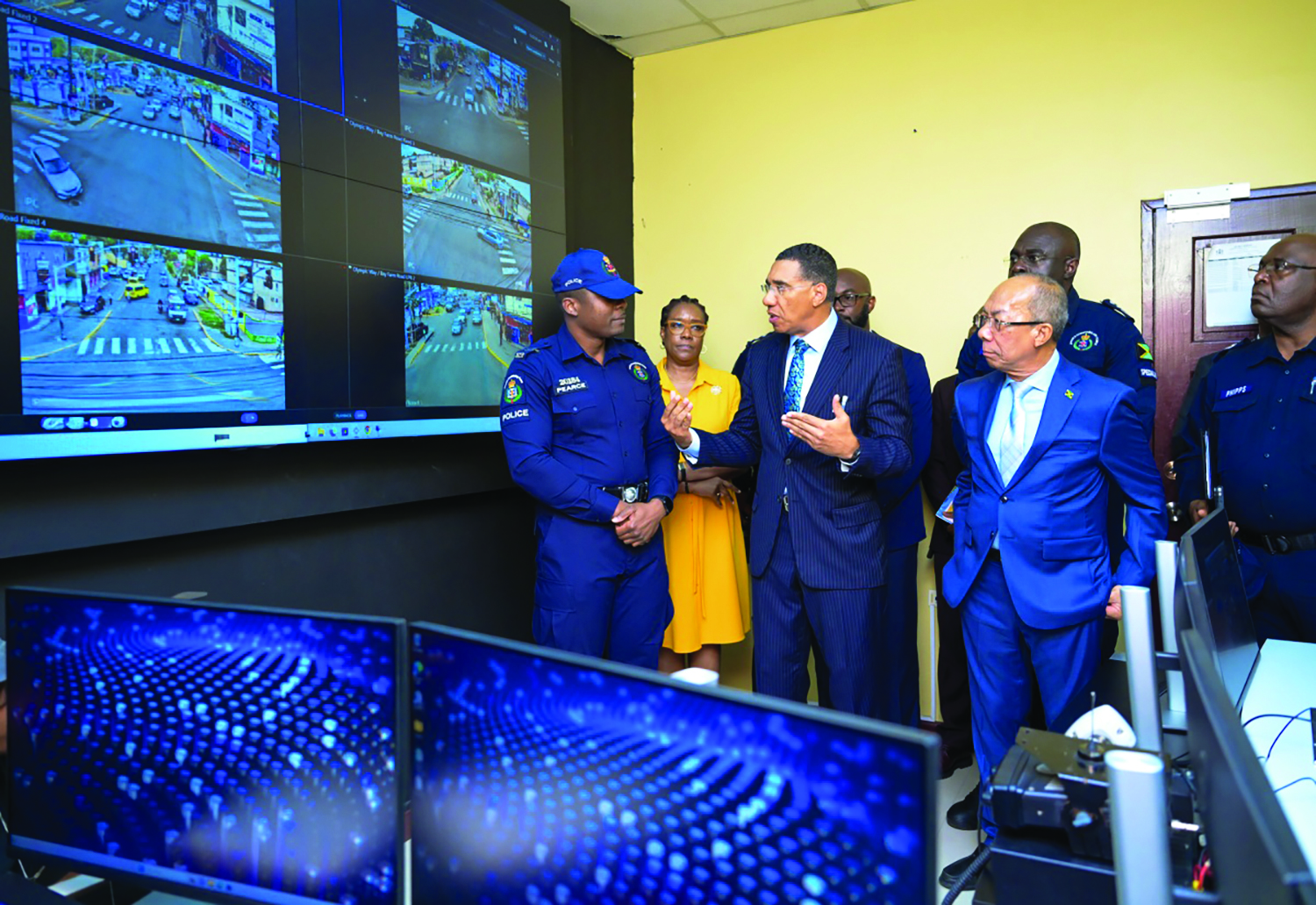
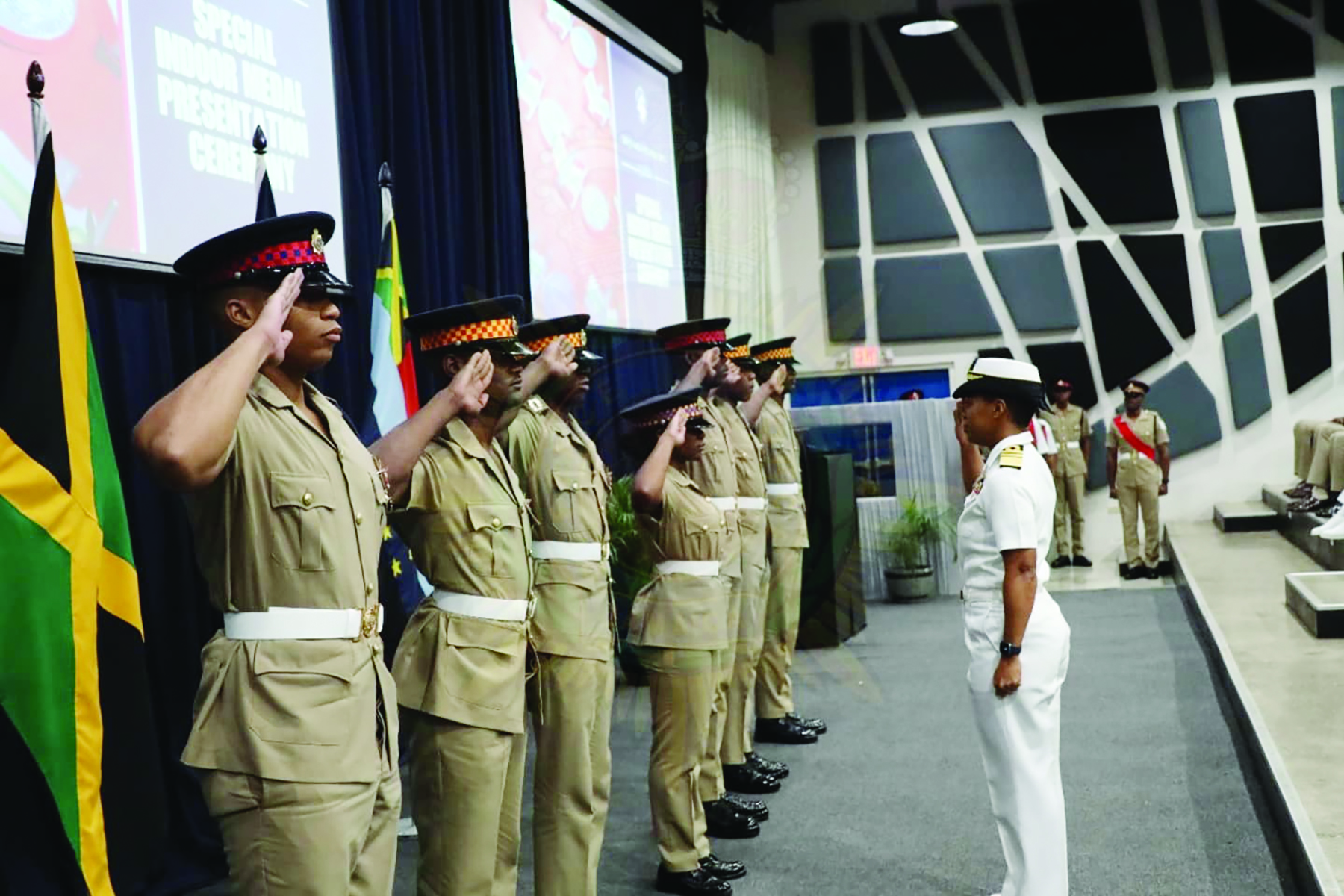
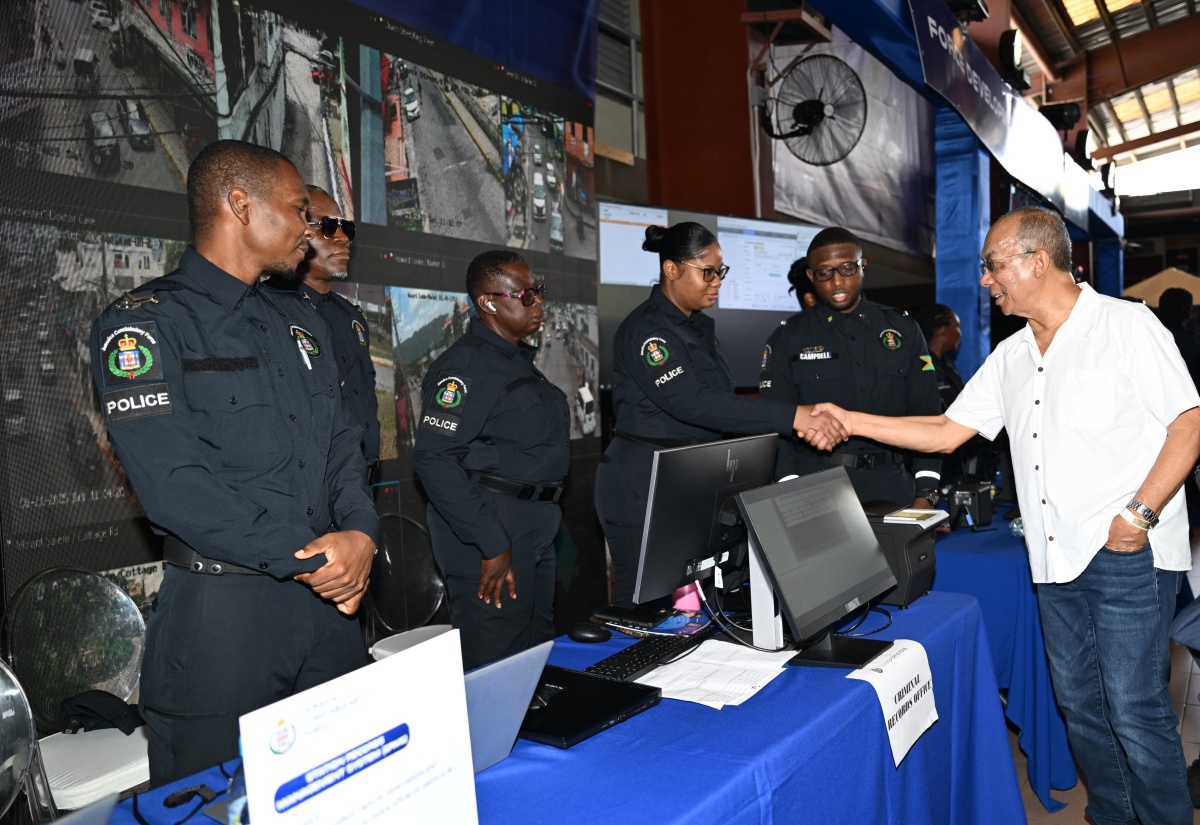
Jamaica achieved a historic low in murders, falling below 700 for the first time in 31 years. It was the third consecutive year of decline and the first time since 1994 that the number of murders fell below 1,000 for a calendar year.
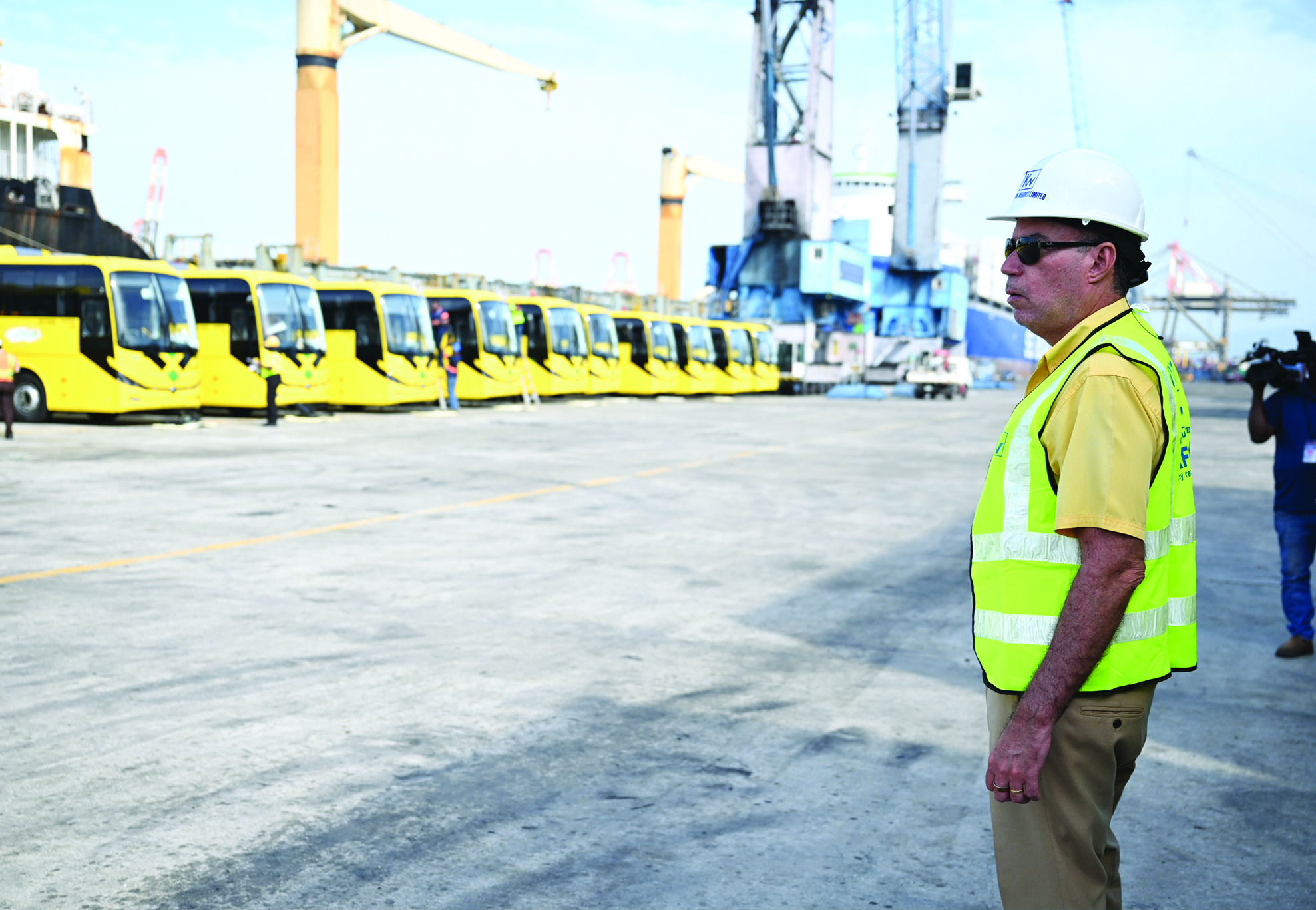
Investment of $1.7 billion was made in the acquisition of vehicles comprising 121 pick-up trucks, 55 sport utility vehicles (SUVs), three Coaster buses, five Hiace buses, and 90 motorcycles.
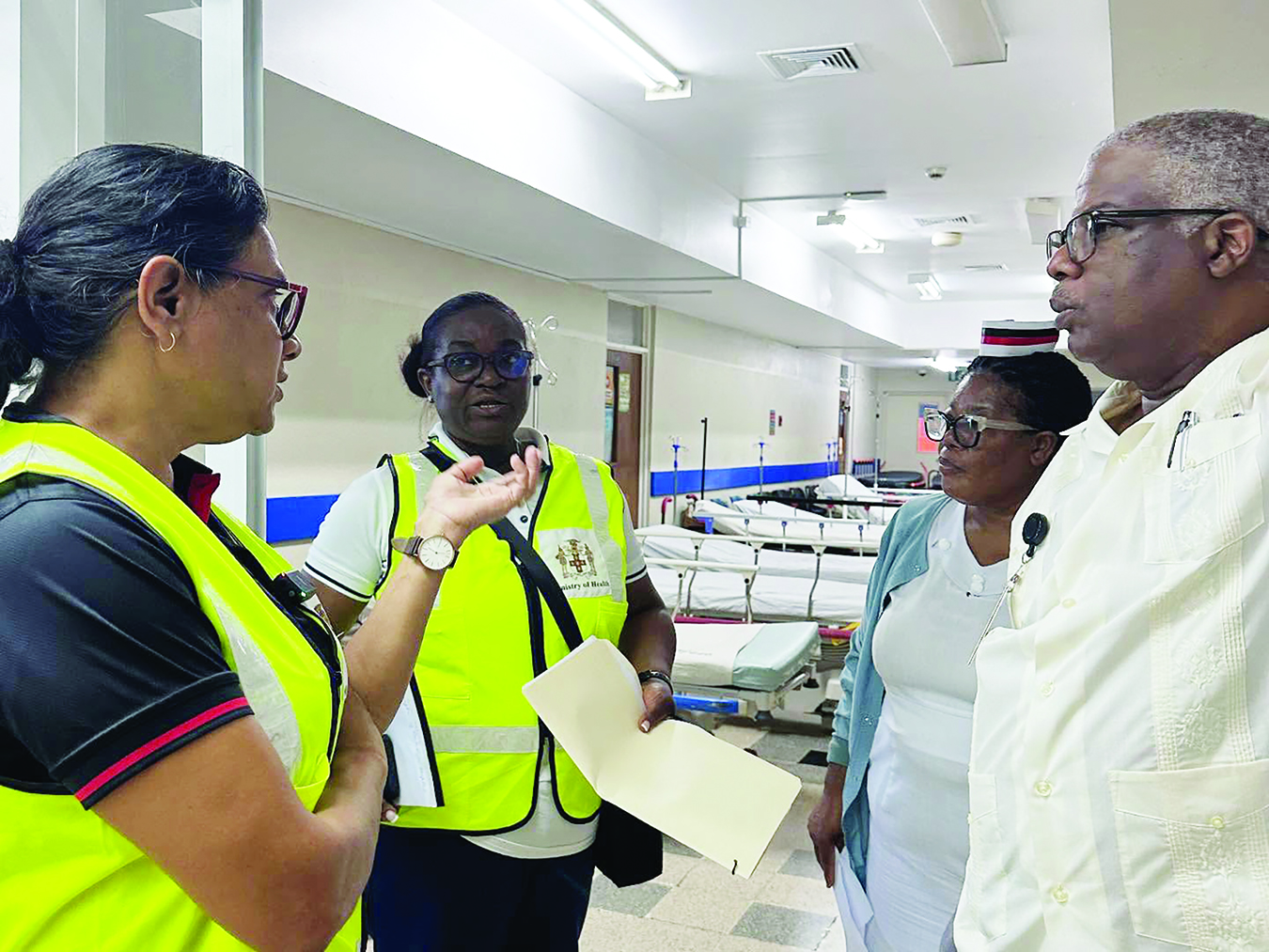
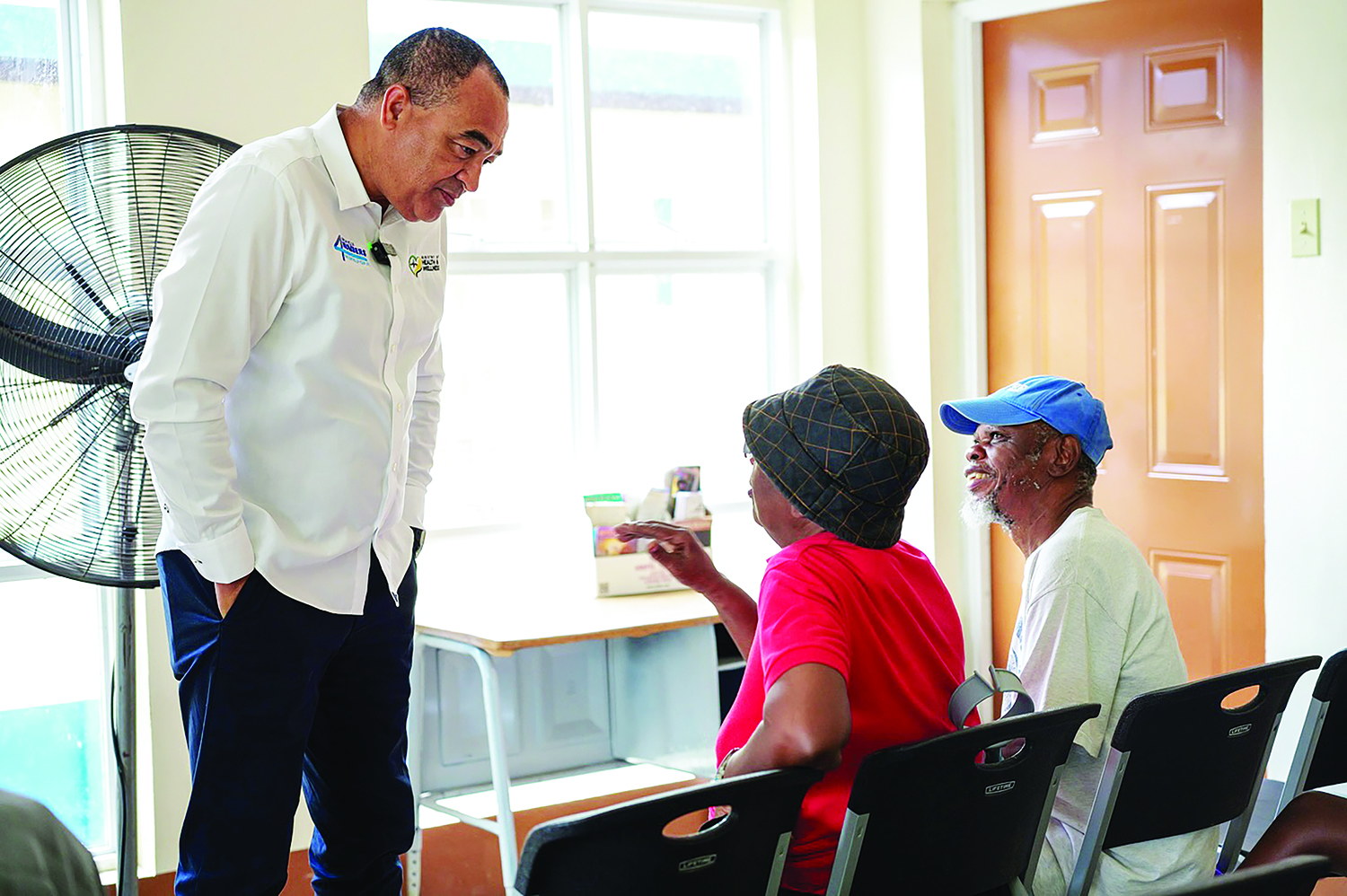
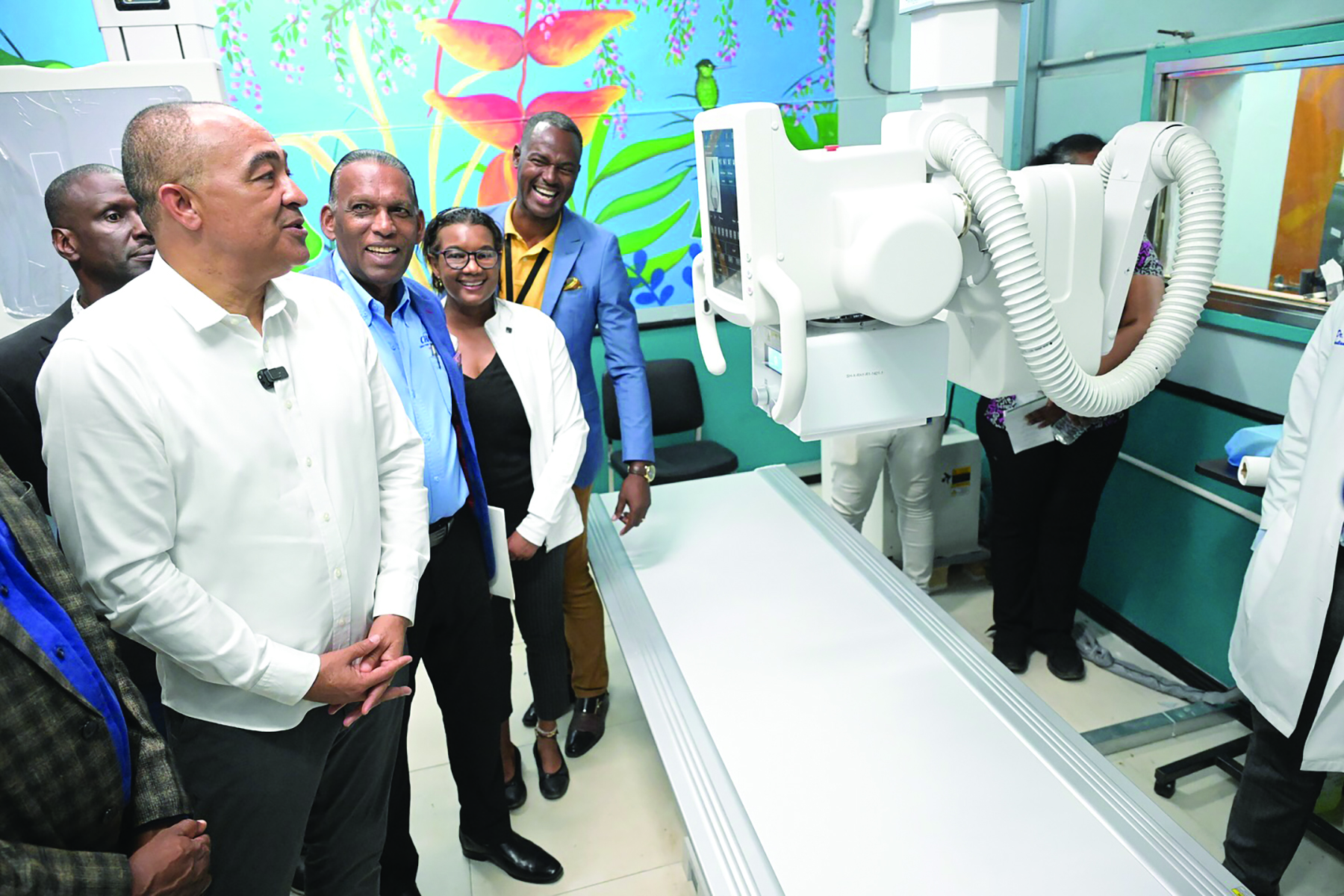
The Government continued investments in strengthening healthcare delivery through the construction, renovation and equipping of public health facilities with state-of the-art machines.
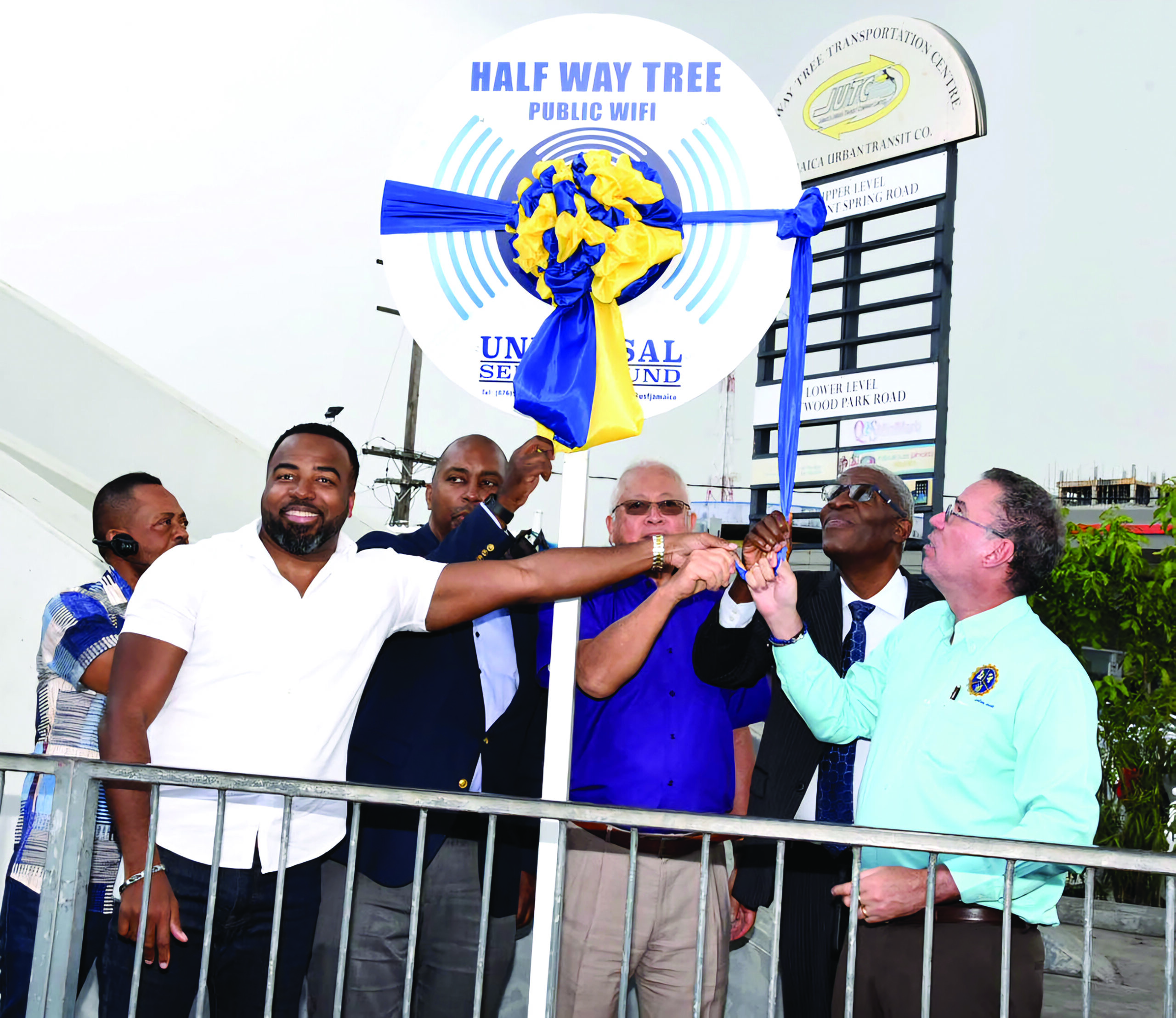
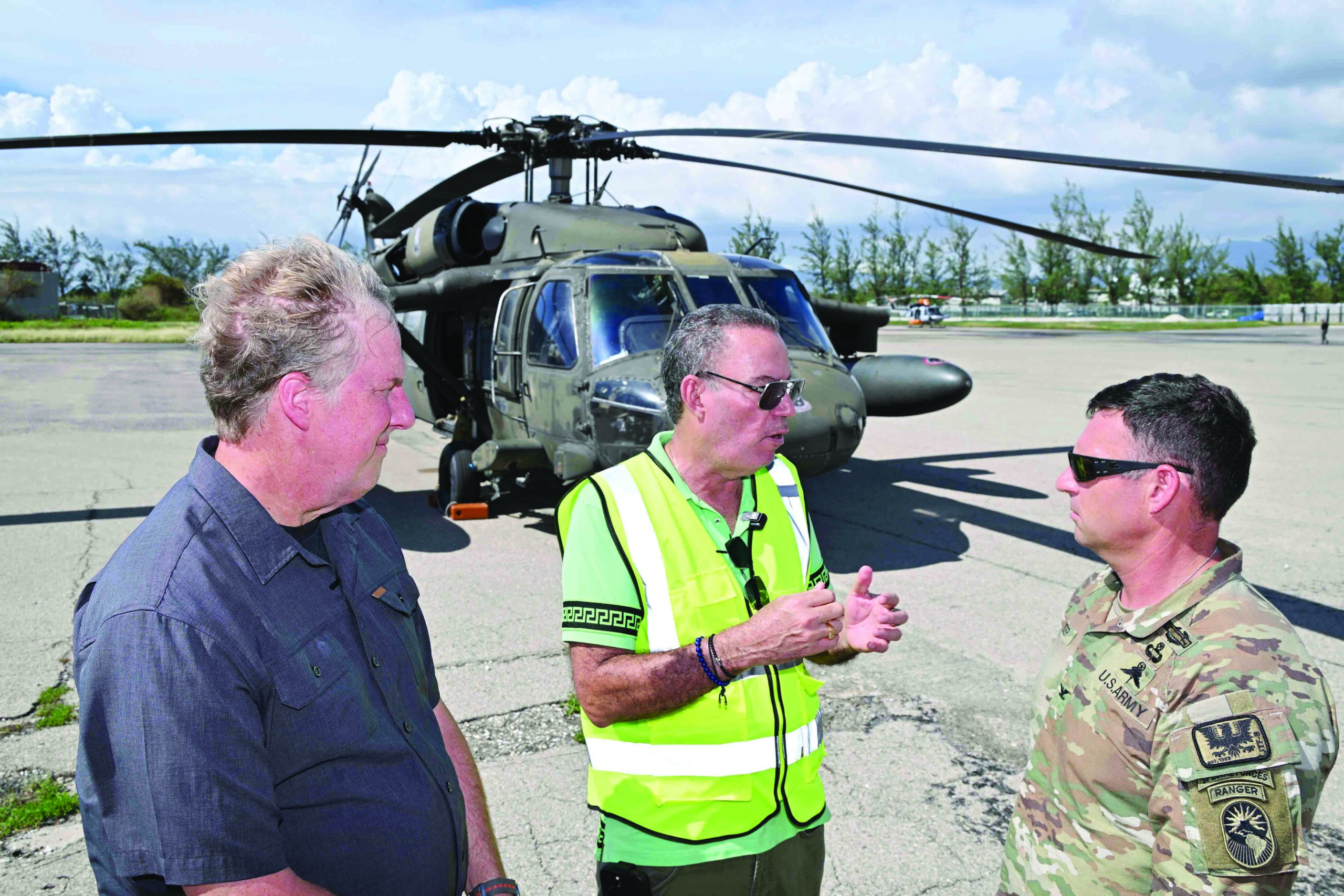
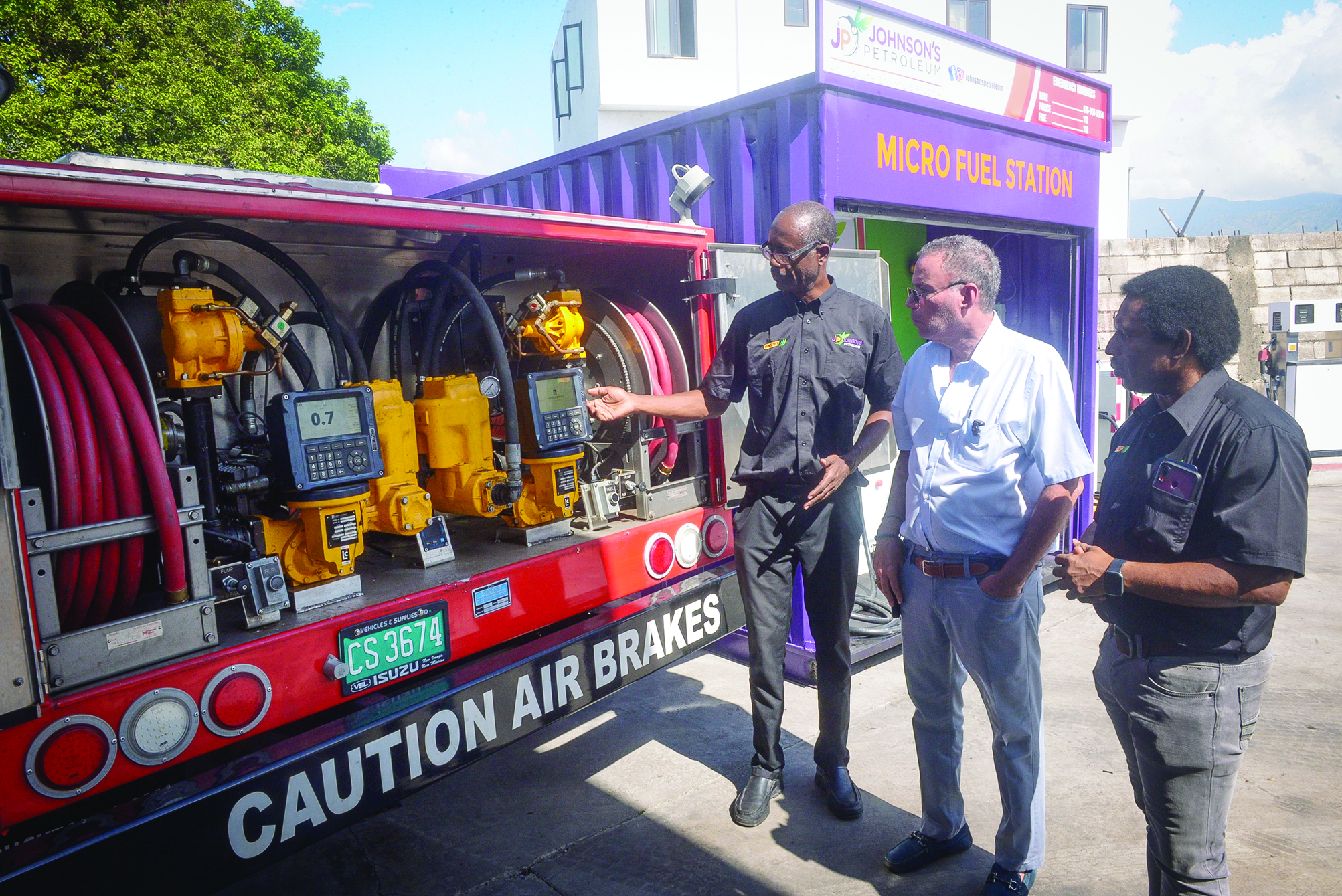
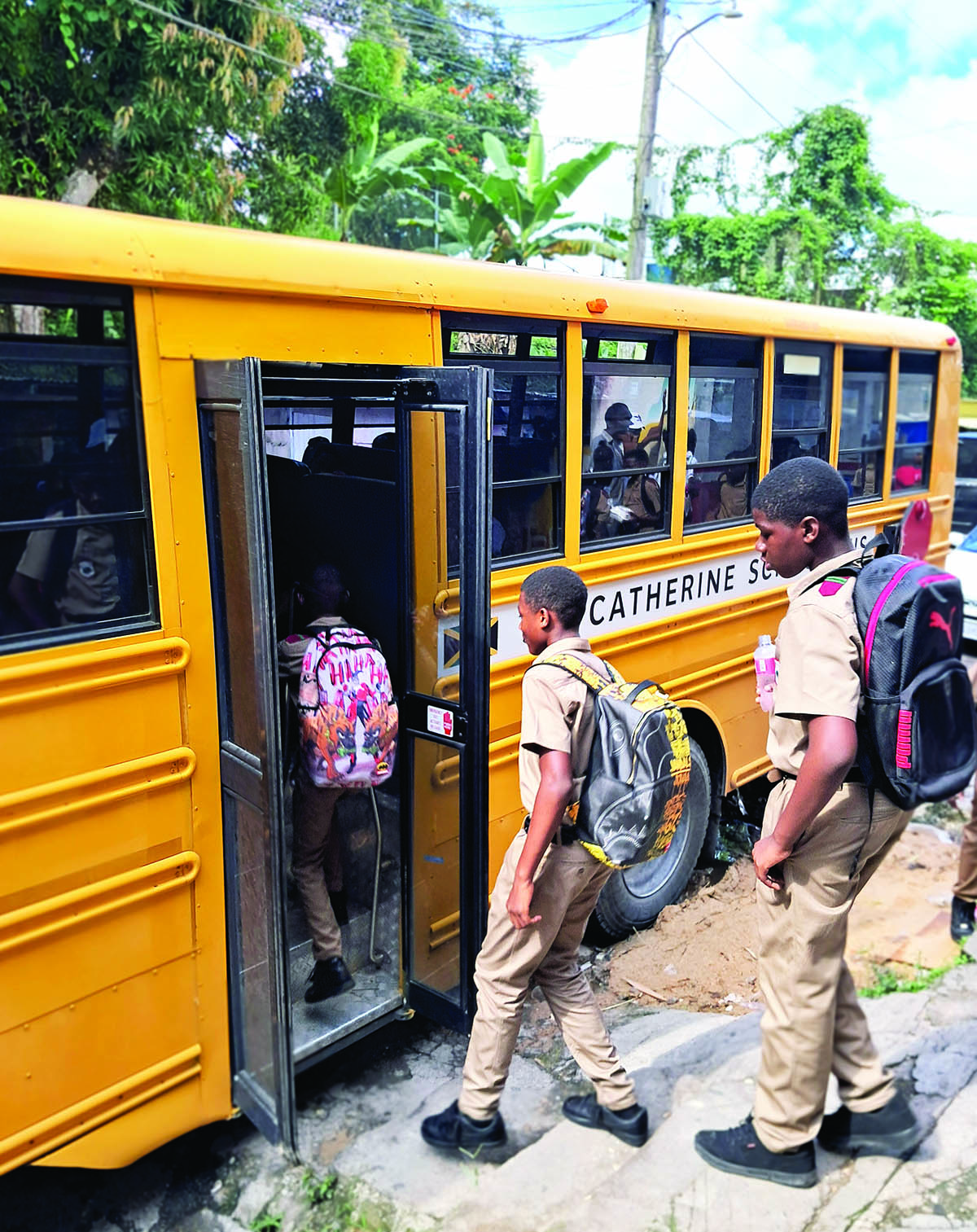
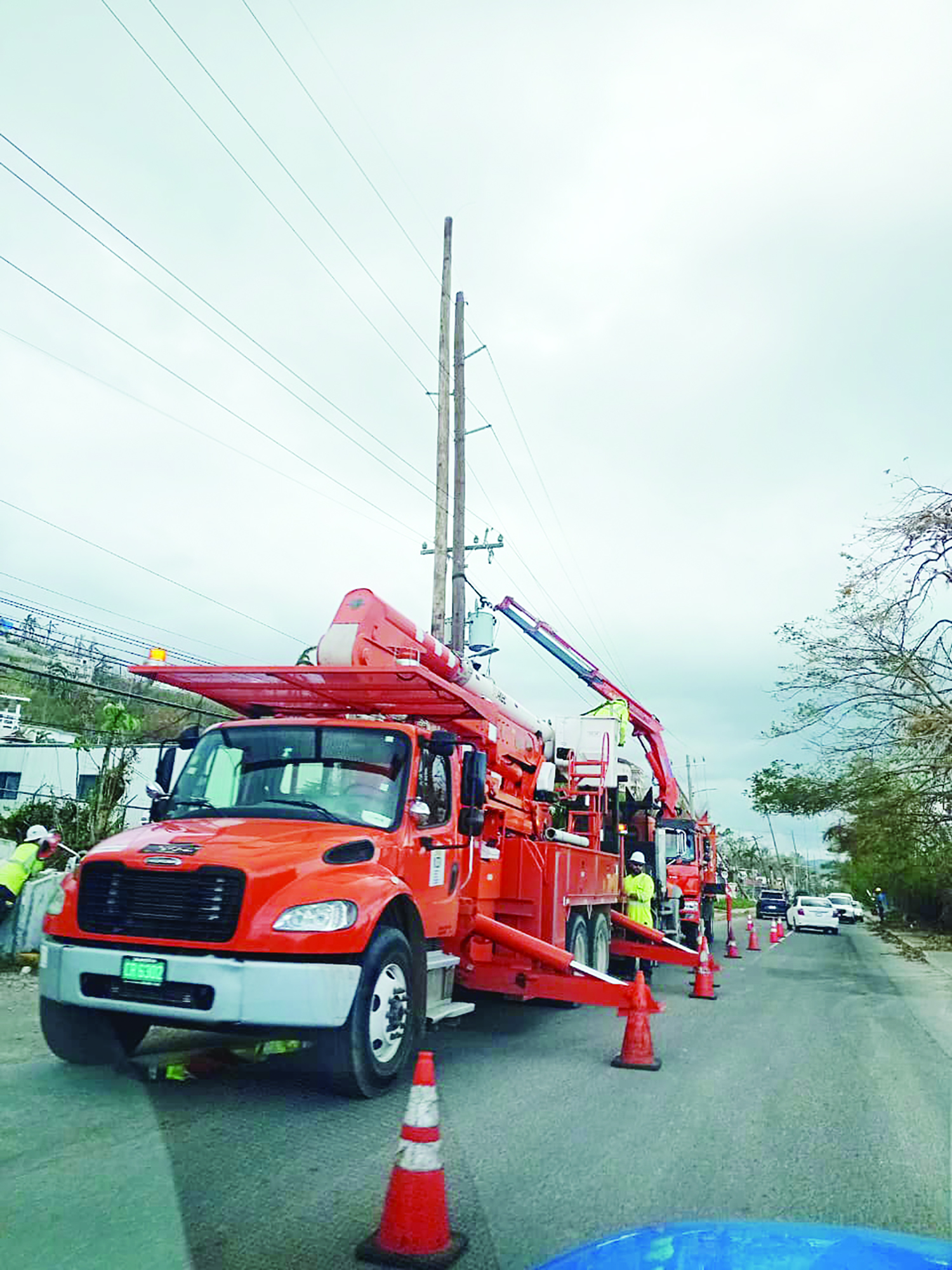
The Government has embarked on far-reaching post-Hurricane Melissa restorations in energy, transport, and telecommunications, reinforcing resilience and accelerating national recovery.
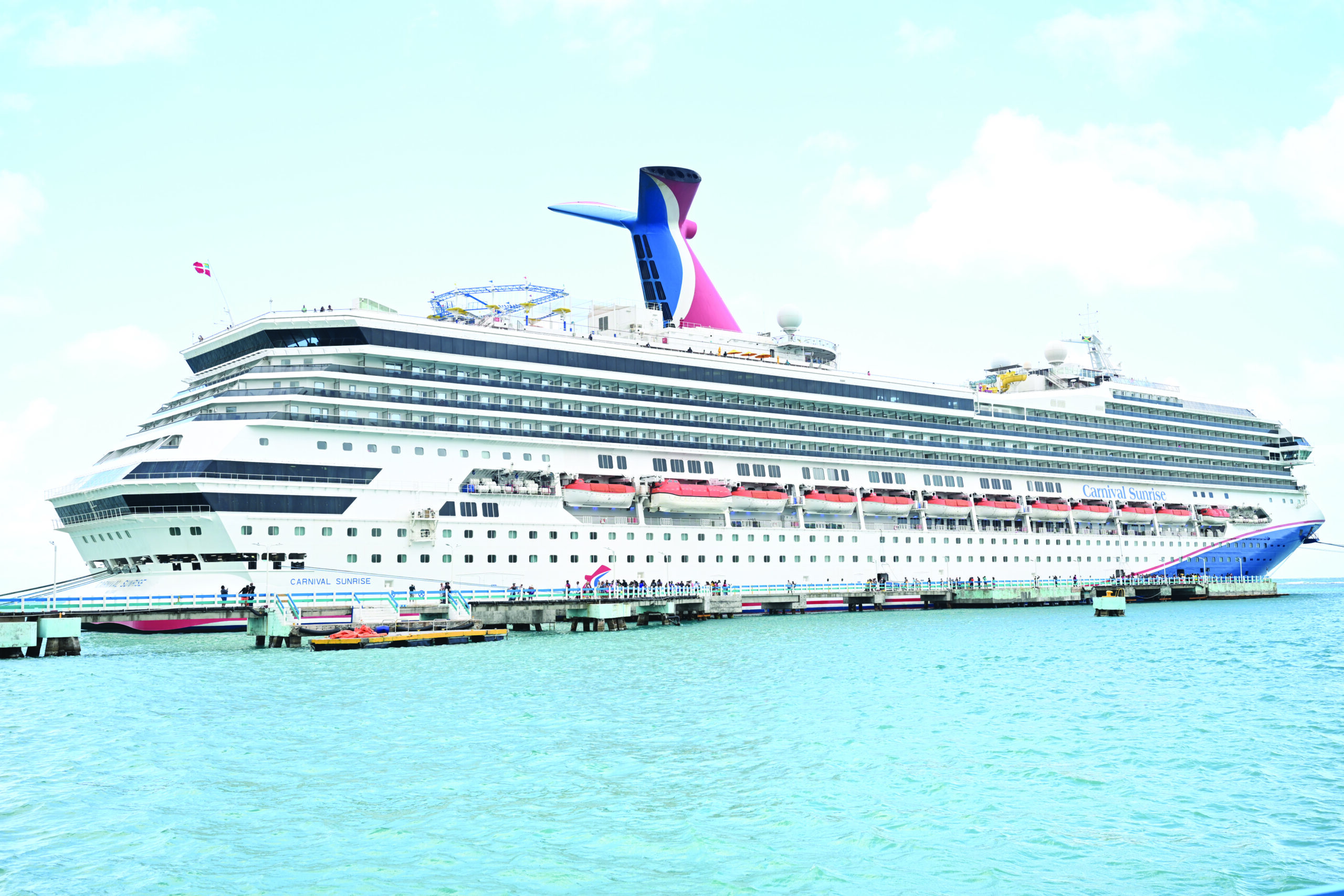
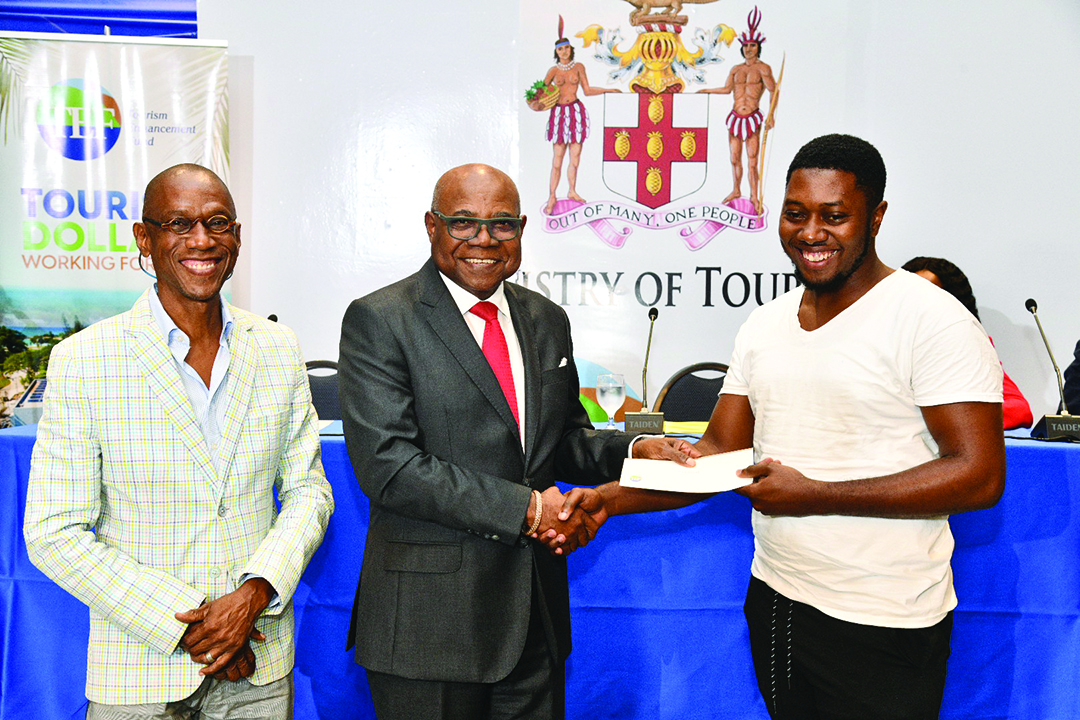
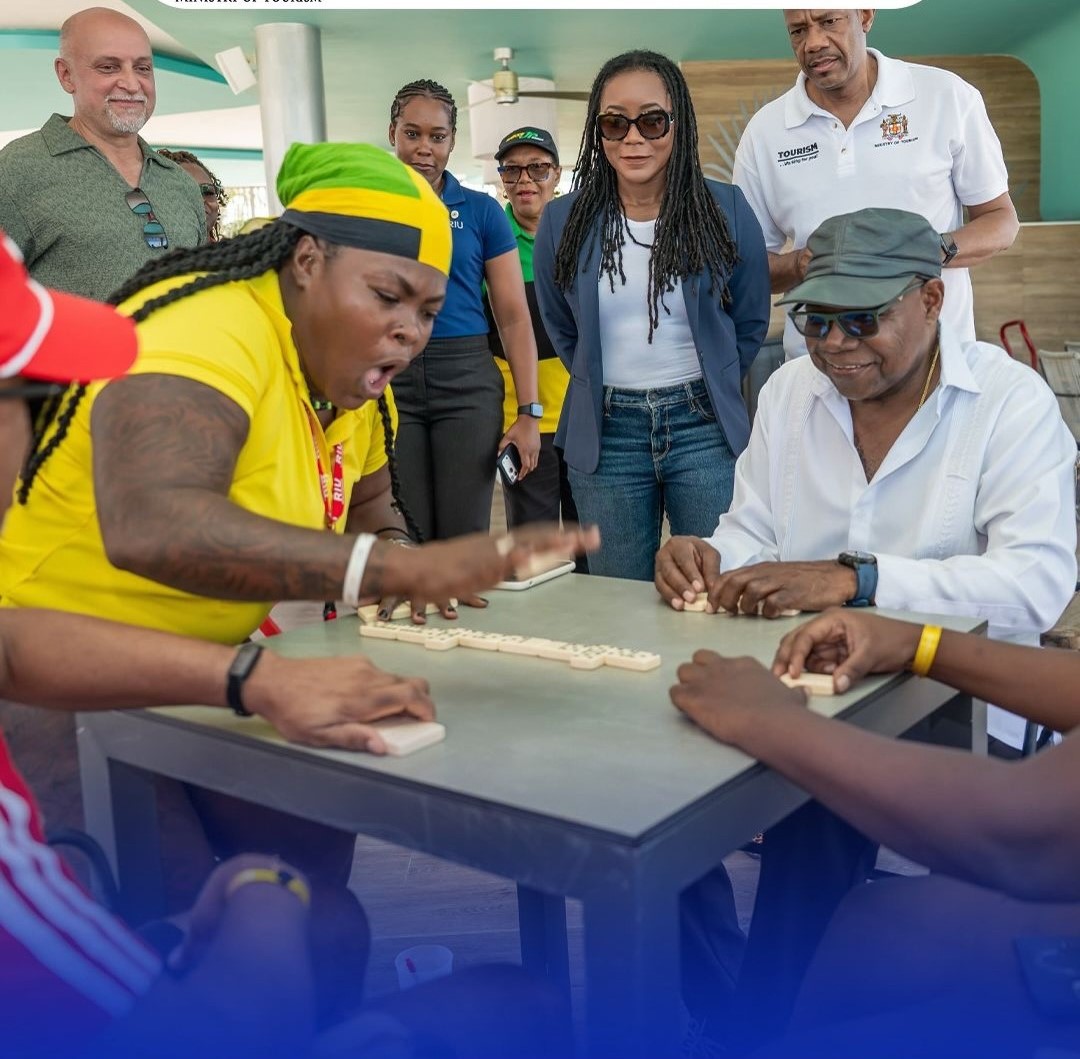
The tourism sector is rebounding strongly after Hurricane Melissa, recording robust outturns, consolidating earlier gains, and underscoring the industry's resilience.